Summer Events Scheduled At Fredericksburg And Spotsylvania

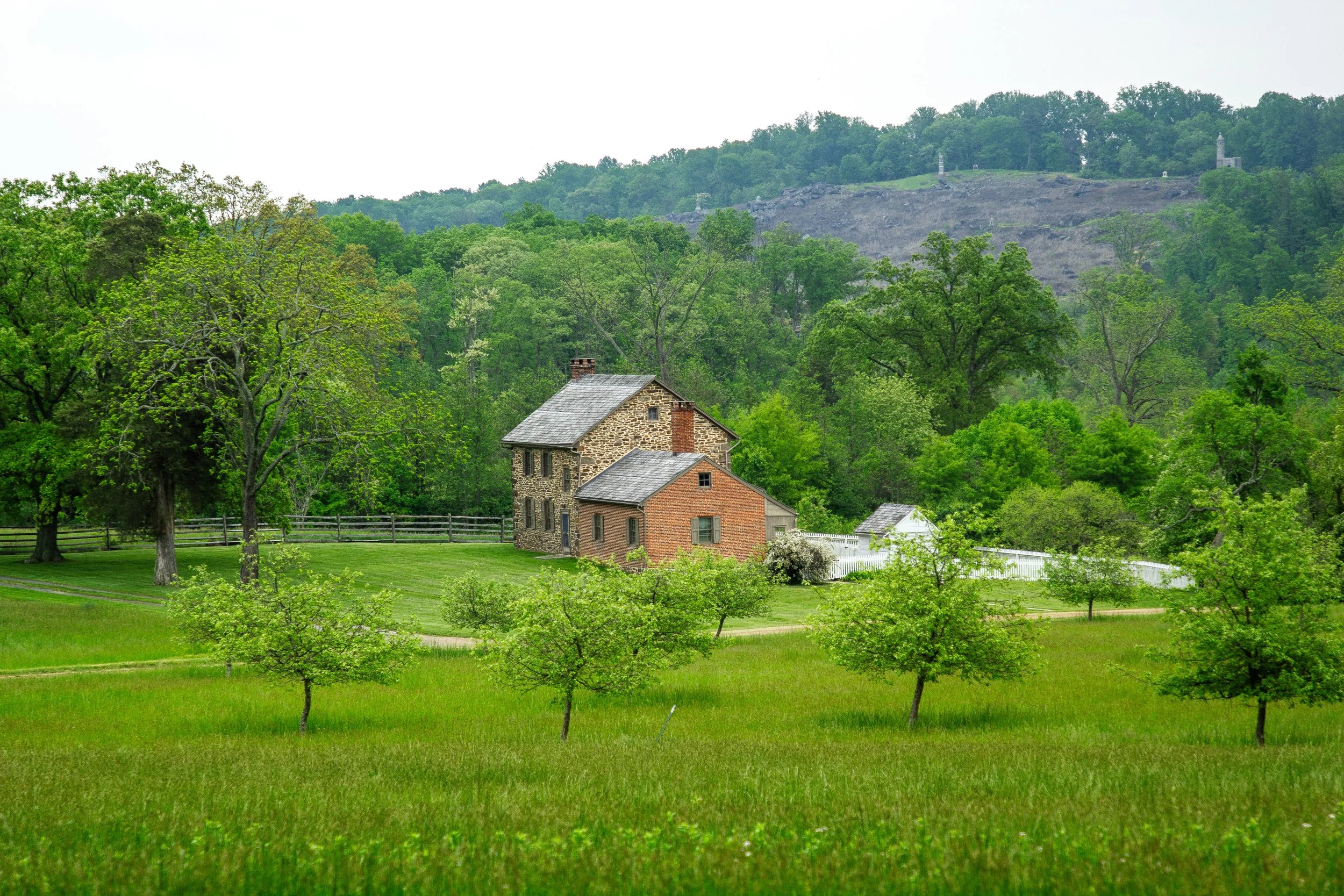
Chatham House

FROM NATIONAL PARKS TRAVELER - June 2, 2024

A stop this summer at Fredericksburg and Spotsylvania National Military Park in Virginia can provide some insights and perspectives into the Civil War battles that raged across this landscape.

The annual History at Sunset program continues with topics covering lesser-known stories across the park. Additionally, walking tours will explore the grounds of the Jackson Death Site, and on select evenings, the Chatham gate will be open into the evening.

Chatham Evening Hours on 2nd Fridays

On June 14, July 12, and August 9, the Chatham parking lot gate will remain open until 8 p.m. Join park staff on the grounds to reflect on the history of Chatham. Bring your camera, a sketchbook, or pick up some supplies to create your own artwork interpreting this special place during these evening hours.

Walking Tours of the Jackson Death Site Grounds on 1st and 3rd Saturdays

On June 15, July 6 & 20, and August 3, join park staff and explore the history that shaped this landscape and reflect on what the landscape tells us today. This 45-minute walking tour will cover about a quarter-mile over flat terrain.

2024 History at Sunset Schedule

All History at Sunset occur every other Saturday evening, programs start at 6:30 p.m., last 90 minutes, and are free to all visitors. Programs take place outdoors. Come prepared with bug spray, comfortable walking shoes, and water. The 2024 History at Sunset schedule is as follows:

June 15 — “The United Roar Was Sublime”: The Second Battle of Fredericksburg, May 3, 1863

Battlefield hike, 1 mile, meet at the Fredericksburg Battlefield Visitor Center; In May 1863, fighting once more returned to the town of Fredericksburg. The action that made up the Second Battle of Fredericksburg was full of drama and carried high stakes for both sides.

June 29 — Wilderness Crossing Trail

Battlefield hike, 1.5 mile, meet at Ellwood on the Wilderness Battlefield;  Learn more about those hard at work behind the scenes of the Union army, the area hospitals, and the return of US military forces for Marine Corps exercises in the 1920s around Ellwood Plantation.

July 13 — “To Care for Him Who Shall Have Borne the Battle”: Stories from the Fredericksburg National Cemetery

Battlefield walk, 0.25 mile, meet at the side entrance to the Fredericksburg National Cemetery;  Join park rangers for a program that examines the stories of some of the soldiers killed during the war and how their families navigated the difficult realities that war produced and explore how the country made meaning out of the devastation of war.


July 27 — "The Fruit of Grant's Victories": Confederate POWs at Spotsylvania Court House

Battlefield hike, 3/4 mile, meet at the Bloody Angle (tour stop 3 on the Spotsylvania Battlefield);  Thousands of Confederate soldiers became prisoners on May 12, 1864. What did their confinement entail? How were they treated by their captors and comrades during and after the war?

August 10 — The Legacy of Ellwood: Slavery, Resistance, and Power
Stationary evening talk, meet at Ellwood on the Wilderness Battlefield;  What does it mean to resist against oppression? Join rangers for a talk about this complex place with a storied past of slavery and resistance.

Historic Homes on the Gettysburg Battlefield Now Available for Public Leasing

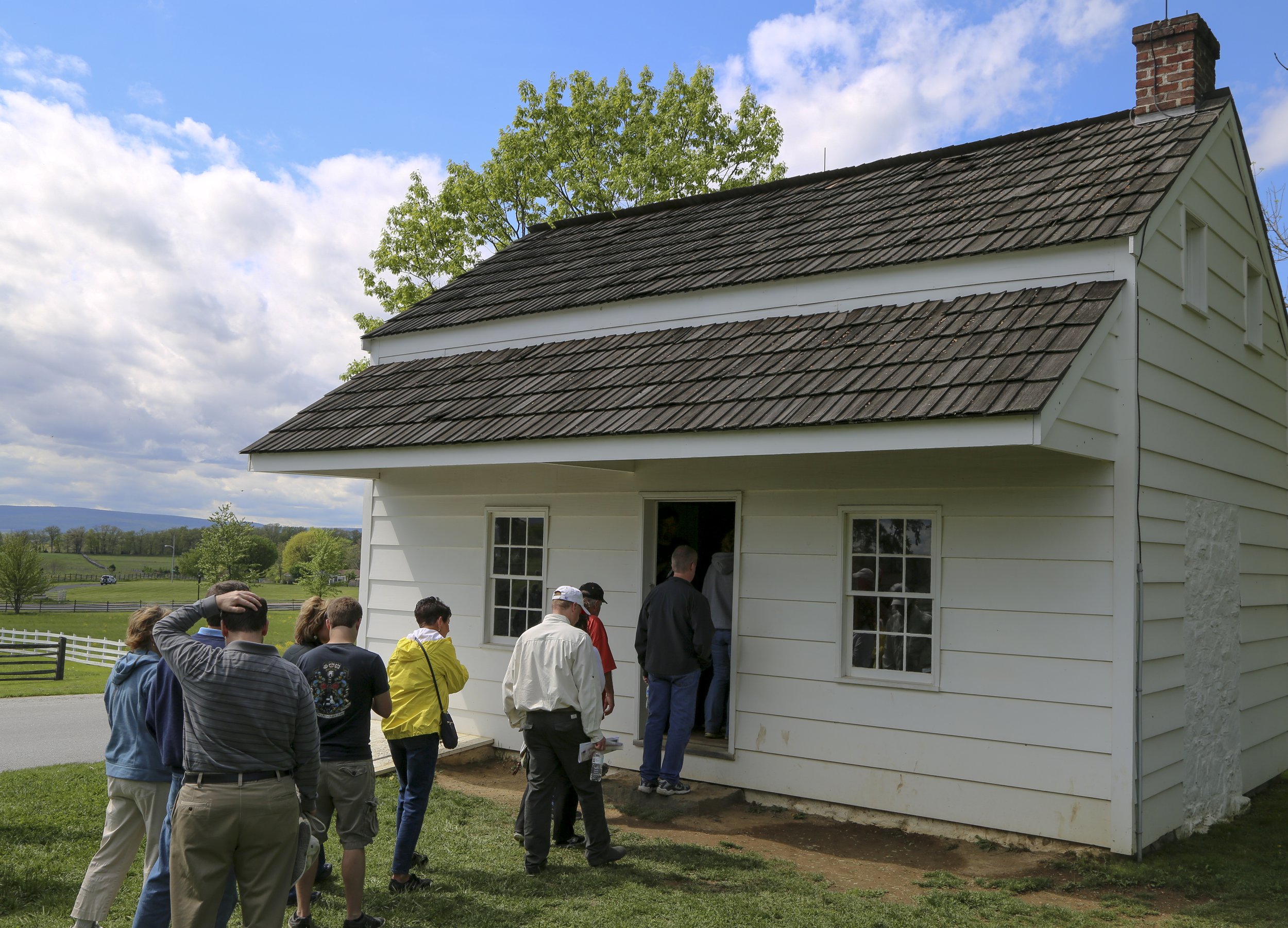
Bushman House

Gettysburg, PA – Gettysburg National Military Park (NMP) is pleased to announce that two historic homes on the Gettysburg battlefield, the Michael Bushman and the John Slyder houses, will be available for overnight accommodations beginning on May 24, 2024. Both houses witnessed the Battle of Gettysburg throughout the day on July 2, 1863. The Bushman farm served as staging ground for Confederate General John Bell Hood’s attack and the Slyder farm was used as a defensive position for Union sharpshooters.  

“Our visitors will now have an extraordinary opportunity to stay in two of the battlefield’s historic homes,” says Gettysburg NMP Superintendent, Kristina Heister. “The Bushman house served as a rental property prior to the global Covid-19 pandemic and visitor feedback was overwhelmingly positive. The program is being implemented as a three year pilot that affords visitors with a unique and immersive experience on the battlefield and provides funding support for the repair and maintenance of our many historic structures.”

Reservations for the homes must be made using the reservation system on Recreation.gov.

Historic Bushman House (Gettysburg), Gettysburg National Military Park - Recreation.gov.

Slyder Farmhouse, Gettysburg National Military Park - Recreation.gov

Each home has updated kitchens and is fully equipped with dishes, utensils, coffee maker, stove, microwave, dishwasher, and refrigerator. Central heating and air conditioning provide comfort year-round. Bed linens, sheets, pillows, and a limited supply of towels are available. Dish soap and dishwasher detergent are also provided. 

After completing a reservation on the Recreation.gov website for the home of their choice, visitors will be contacted by National Park Service staff to sign a Short-Term Lease Agreement. Once this signed agreement is returned, visitors will receive further information about their stay.


Staying overnight in one of the historic homes offers a new and unique way to experience the battlefield. Please visit https://www.nps.gov/gett/planyourvisit/lodging.htm for 3D and 360-degree video tours along with a photo album of the interiors of both homes.
 

Explore Four Battlefield Structures During Doors Open Gettysburg on May 11

Brian House

News Release Date: May 1, 2024
Contact: Jason Martz

Gettysburg, PA – “Doors Open Gettysburg” offers an insider’s look at the history of four magnificent battlefield and farm structures at Gettysburg National Military Park. This free event is held during National Historic Preservation Month in cities and towns throughout the United States and internationally.
On May 11, from 10 am to 2 pm, National Park Service staff will open four historic structures on the Gettysburg battlefield to the public for a rare look inside. The selected buildings range from those newly restored to those in need of repair. Visitors will be able to explore the Abraham Brian House; the Lydia Leister House—Meade’s Headquarters; and the Jacob Hummelbaugh House. Our friends at the American Battlefield Trust will also open the Mary Thompson House—Lee’s Headquarters as part of the Doors Open event on May 11, from 10 am to 2 pm.
“Doors Open Gettysburg highlights the park’s important historic preservation mission and the stories these buildings can tell,” said Gettysburg National Military Park Superintendent Kristina Heister. “This event is a great opportunity for our community and park visitors to learn more about Gettysburg and how we take care of these resources.”
Abraham Brian House: Visitors can explore the home of Abraham Brian and his family. A member of Gettysburg’s African American community, he fled the area with his family prior to the battle only to return to find his home in ruins. Park on Hancock Avenue and in the National Cemetery Parking Lot. National Park Service preservation experts recently restored the biaxal roof on this historic home. This distinctive roofing style, which had largely vanished by the 20th century, is also found on the nearby Lydia Leister House.
Lydia Leister House—Meade’s Headquarters: Home of the widow Lydia Leister and her children, the two-room structure became the Headquarters of the Union Army of the Potomac. General George G. Meade held his famous “Council of War” here on the evening of July 2, 1863. Park in the National Cemetery Parking Lot or along Hancock Avenue. Like the Brian Farm, the biaxal roofing was recently returned to this historic structure, restoring a character defining feature of one of the most historic buildings on the battlefield.
Jacob Hummelbaugh House: Used as a field hospital and rallying point on July 2, 1863. Confederate General William Barksdale died and was temporarily buried in the yard. The Hummelbaugh House will be rehabilitated and stabilized in 2024. Park on Sedgwick or Hancock Avenue. Do not park on Pleasanton Avenue.
Mary Thompson House—Lee’s Headquarters: Rehabilitated and restored by the American Battlefield Trust, this famous battlefield landmark was used by Confederate General Robert E. Lee during the battle. Park in the designated lot at the Mary Thompson House.Please note that the buildings are not wheelchair accessible. No tickets or reservations are necessary for Doors Open Gettysburg. The event is free.
Also beginning on Saturday, May 11, the David Wills House will open for the season.
David Wills House: The home of Gettysburg attorney David Wills was the center of the immense clean-up process after the Battle of Gettysburg and where President Lincoln put the finishing touches on his Gettysburg Address. The museum features six galleries, including two rooms that have been restored to their 1863 appearance: Wills' office, where he planned for a Soldiers' National Cemetery after the battle; and the bedroom where Lincoln stayed and prepared the Gettysburg Address. Admission to the David Wills House is free. Open Friday-Sunday, 11 am to 4 pm.

www.nps.gov

World War I Weekend at Eisenhower National Historic Site

How did Gettysburg and the Great War shape a future five-star general and president? Explore answers to this question and more at Eisenhower National Historic Site’s World War I Weekend on May 4 & 5.

The National Park Service will host interactive living history displays with exhibits and programs exploring the American Experience in World War I. A full schedule of programming for that weekend can be seen below. 

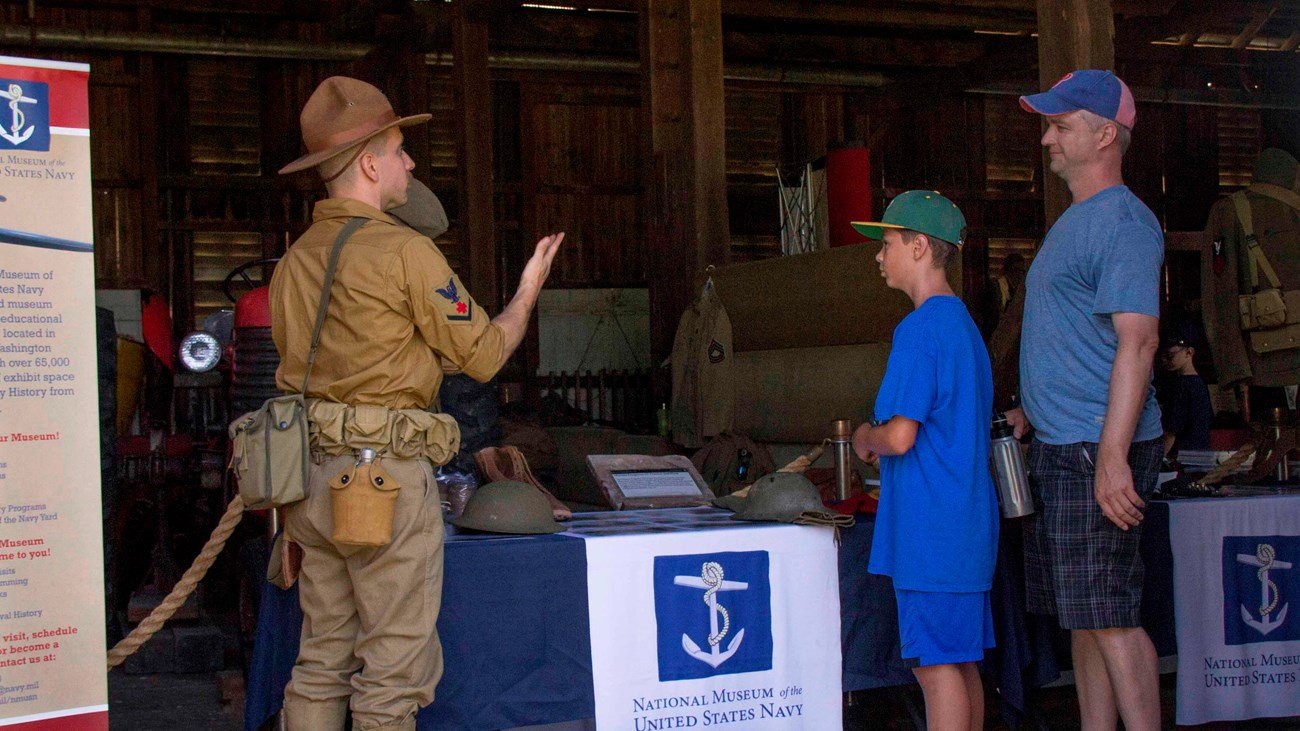
On May 4 and 5, Eisenhower NHS is partnering with the East Coast Doughboys, U.S. Marine Corps Historical Company, U.S. Naval Heritage and Command Center, and the “Pall Mall Doughboys” from Sgt. Alvin C. York State Park (TN) for free exhibits and living history displays. Living historians and park staff will also provide free programming throughout the weekend. On Saturday May 4, staff from the National Medal of Honor Museum will be on-site to discuss Medal of Honor recipients from World War I. 

In addition to these displays, the Eisenhower home will have an open house. Visitors will be admitted to the home for self-guided tours on a rolling basis between 10 am and 3 pm on both days. Admission to Eisenhower NHS is free. Visitors may drive directly to the site. Please use 250 Eisenhower Farm Rd for GPS or visit here for directions. Visitors should enter the site from Emmitsburg Rd. Please follow signs for on-site parking.

Schedule of Events for World War I Weekend

NOTE: This schedule is subject to change. All programs are free of charge. All programs are 20-30 minutes in length unless otherwise specified. 

Saturday May 4

  • 10 AM to 3 PM: Eisenhower Home Open House Tours

  • 10 AM to 4 PM: Living History Displays and On-Site Exhibits Open to the Public

  • 10 AM: Captain Eisenhower and Camp Colt--Explore the story of Captain Dwight D. Eisenhower and Gettysburg's very own Camp Colt with Park Ranger Alyce Evans for this overview program. Learn how "Ike" encountered challenges and grew as a young leader during this memorable chapter in his storied military career. This program will take place at the Eisenhower Teahouse.

  • 11 AM: The "Harlem Hellfighters"-- During the First World War, the U.S. Armed Forces were segregated. Black Americans were part of the war in many areas, but the most celebrated are the men from 369th Infantry Regiment, nicknamed the Harlem Hellfighters. Join Ari Lopez Wei of the East Coast Doughboys to learn about the bravery of the 369th Infantry Regiment as they fought alongside the French, who welcomed the soldiers. This program will take place at the Eisenhower Teahouse. 

  • 12 PM: "From the Farm to France: The US Doughboy in World War I"--From stateside training camps like Camp Colt, thousands of Americans were prepared for war and sent to the Western Front in Europe. Join staff from the Sgt. Alvin C. York State Historic Site (TN) for a program exploring how the United States turned thousands of citizens into soldiers in 1917 and 1918. This program will take place at the Eisenhower Teahouse.

  • 1 PM: The US Navy and US Marines in World War I-- Join staff from the Naval History and Heritage Command and the US Marine Corps Historical Company for this free presentation on U.S. Navy and U.S. Marine forces during World War I. This program will take place at the Eisenhower Bank Barn. 

  • 2 PM: Art in the Trenches: America's First War Artists--When the U.S. Army Signal Corps entered WWI, it also brought along trained artists. In this talk by artist James Loder of the East Coast Doughboys, find out about the half dozen soldiers who also carried paintbrushes and art supplies with their gas mask. James will also be painting during the weekend. This program will take place at the Eisenhower Teahouse.

  • 3:30 PM: Ranger Guided Walking Tour of Camp Colt- Join Park Ranger John Tuskan for this free program exploring how Captain Dwight D. Eisenhower commanded a tank training camp right here in Gettysburg in 1918. This program will last for approximately one hour, and will meet at the National Cemetery Parking lot on Taneytown Rd, Auto Tour Stop 16 for Gettysburg National Military Park. 

Sunday May 5

  • 10 AM to 3 PM: Eisenhower Home Open House Tours

  • 10 AM to 3 PM: Living History Displays and On-Site Exhibits Open to the Public

  • 10 AM: Captain Eisenhower and Camp Colt--Explore the story of Captain Dwight D. Eisenhower and Gettysburg's very own Camp Colt with Park Ranger Alyce Evans for this overview program. Learn how "Ike" encountered challenges and grew as a young leader during this memorable chapter in his storied military career. This program will take place at the Eisenhower Teahouse.

  • 11 AM: The "Harlem Hellfighters"-- During the First World War, the U.S. Armed Forces were segregated. Black Americans were part of the war in many areas, but the most celebrated are the men from 369th Infantry Regiment, nicknamed the Harlem Hellfighters. Join Ari Lopez Wei of the East Coast Doughboys to learn about the bravery of the 369th Infantry Regiment as they fought alongside the French, who welcomed the soldiers. This program will take place at the Eisenhower Teahouse. 

  • 12 PM: "From the Farm to France: The US Doughboy in World War I"--From stateside training camps like Camp Colt, thousands of Americans were prepared for war and sent to the Western Front in Europe. Join staff from the Sgt. Alvin C. York State Historic Site (TN) for a program exploring how the United States turned thousands of citizens into soldiers in 1917 and 1918. This program will take place at the Eisenhower Teahouse.

  • 1 PM: The US Navy and US Marines in World War I-- Join staff from the Naval History and Heritage Command and the US Marine Corps Historical Company for this free presentation on U.S. Navy and U.S. Marine forces during World War I. This program will take place at the Eisenhower Bank Barn. 

  • 2 PM: Art in the Trenches: America's First War Artists--When the U.S. Army Signal Corps entered WWI, it also brought along trained artists. In this talk by artist James Loder of the East Coast Doughboys, find out about the half dozen soldiers who also carried paintbrushes and art supplies with their gas mask. James will also be painting during the weekend. This program will take place at the Eisenhower Teahouse.

"The Saga of Robert Smalls” - Free Zoom Seminar on March 26

THE DELAWARE VALLEY CIVIL WAR ROUND TABLE

Presents a New FREE Historical Seminar

Tuesday, March 26, 2024 at 7:00 – 8:00 PM via ZOOM

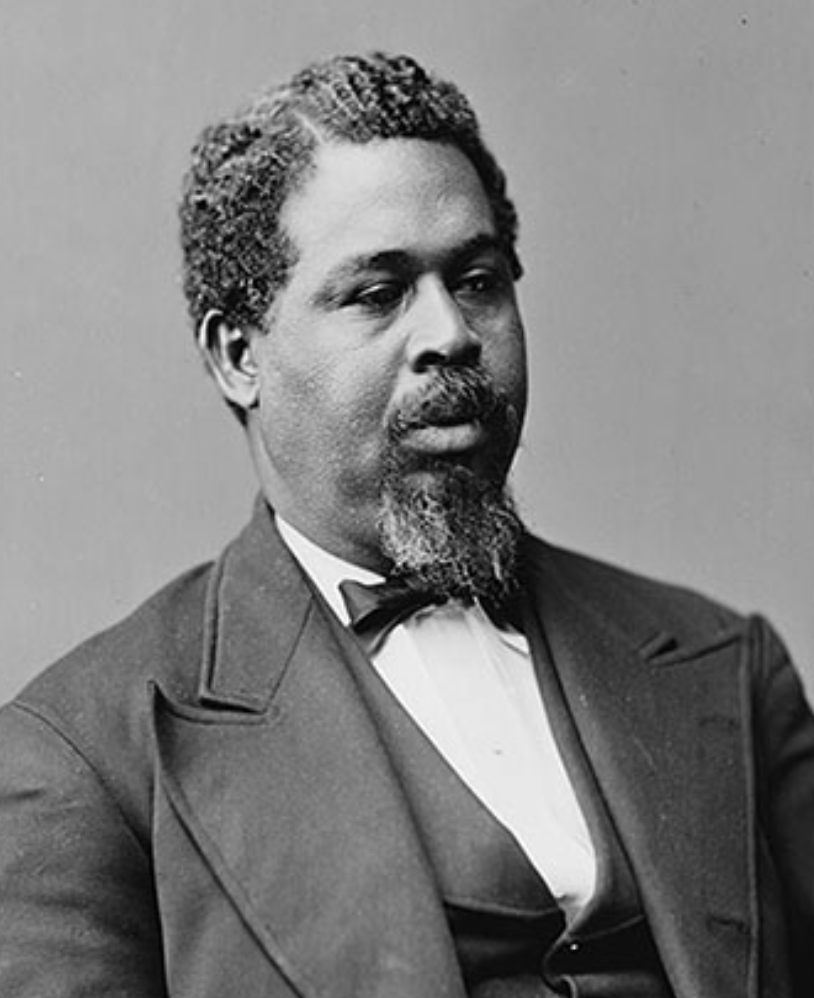
“Be Free or Die! – The Saga of Robert Smalls”

Presented by Jerry Carrier

On May 13, 1862, a 23-year-old slave demonstrated that his inability to read or write did not keep him from seizing a Confederate warship and delivering it –  with 17 other enslaved people – to the federal squadron that was blockading Charleston Harbor.

 This astounding feat was only the first chapter in the legendary career of Robert Smalls.  After winning his freedom the old-fashioned way – by taking it – Smalls went on to be a celebrity symbol of President Lincoln’s policy of emancipation, the first African-American captain of a U.S. Navy warship, and a ground-breaking lawmaker in both the South Carolina Legislature and the U.S. Congress.

  It is little wonder that an admirer in the African-American community of  Beaufort, SC, remarked that “Smalls ain’t God, but he’s young yet.”

SEND YOUR REQUEST TO RESERVE A VIRTUAL SEAT FOR THIS OUTSTANDING PRESENTATION TO: 

delawarevalleycwrt@gmail.com

Prior to the presentation you will receive an email ZOOM link.

REQUESTS MUST BE RECEIVED NO LATER THAN SUNDAY, MARCH 24.

If you do not see the link, please check your SPAM folder.

Thaddeus Stevens Museum opens in Gettysburg on April 4th

Thaddeus Stevens Museum opens in Gettysburg

from the Gettysburg Connection

March 16, 2024 by Ross Hetrick

On April 4, something will happen that should have happened a long time ago — the grand opening of the first Thaddeus Stevens museum at 46 Chambersburg Street in Gettysburg, PA.

The event from 5 to 7 p.m. will include music by noted musician Tom Jolin and the singing of the Star-Spangled Banner by Jesse Holt. There will be tours of the new museum and free handouts of DVDs and other Stevens souvenirs. 

More than 40 years ago I read a biography of Thaddeus Stevens and was bowled over. While other politicians vacillated and appeased slaveholders, Stevens was irrevocably against human bondage. Not only that, he was incredibly effective and was instrumental in preventing President Andrew Johnson from reversing the gains of the Civil War. Despite not being president, he was one of the most important people in American history.

I had to go to Lancaster, PA, one of the places that Stevens spent much of his adult life. I expected to tour his house full of artifacts of his life and see his incredibly inspirational grave that celebrates his devotion to equality. What I found horrified me. 

Stevens’s house had been changed beyond recognition and there were no house tours, just a tarnished plaque saying he had lived there. His grave was little better. The small cemetery where he is buried — the only integrated cemetery in Lancaster at the time of his death — was overgrown with tree branches and broken tombstones strewn about. In Gettysburg, where he lived for 26 years and had a major impact in the borough and the state, it was worse. His house had been torn down in the 1920s and he was completely forgotten, overshadowed by the battle, Lincoln and Eisenhower.

The Thaddeus Stevens Society was founded 25 year ago to rectify this terrible situation and give Stevens the honor he deserves. There have been a number of gains in the intervening years. Two statues have been put up to the Great Commoner, one in Lancaster and another in Gettysburg. His cemetery is better maintained by a dedicated group of volunteers.

Now, at long last, people who come to know about Stevens and admire him can go to the new museum in Gettysburg on Chambersburg Street to get a fuller sense of this man’s greatness. They can see letters written by him to important figures of the day. They can see cast iron stoves made at iron mills he owned. There are dozens of Civil War era newspapers detailing his exploits, including one from France. There is a space for researchers to use the Society’s extensive library about Stevens and people can watch videos about Stevens while sipping coffee. 

The location of the free museum is very appropriate since it is located across the street from where Stevens’s house was until it was torn down.

A year from now, LancasterHistory will open the $25 million Thaddeus Stevens & Lydia Hamilton Smith Center For History and Democracy in Lancaster, PA. Besides Stevens, it will be about his Lancaster housekeeper, Lydia Hamilton Smith, and the Underground Railroad. It should be magnificent.


Ross Hetrick

Ross Hetrick is president and founder of the Thaddeus Stevens Society, which is dedicated to promoting Stevens's important legacy. Hetrick was a business reporter for 18 years in Baltimore and owned Ross's Coffeehouse & Eatery in Gettysburg from 1996 to 2004.

Non-Historic Structures To Be Removed From Fredericksburg And Spotsylvania NMP

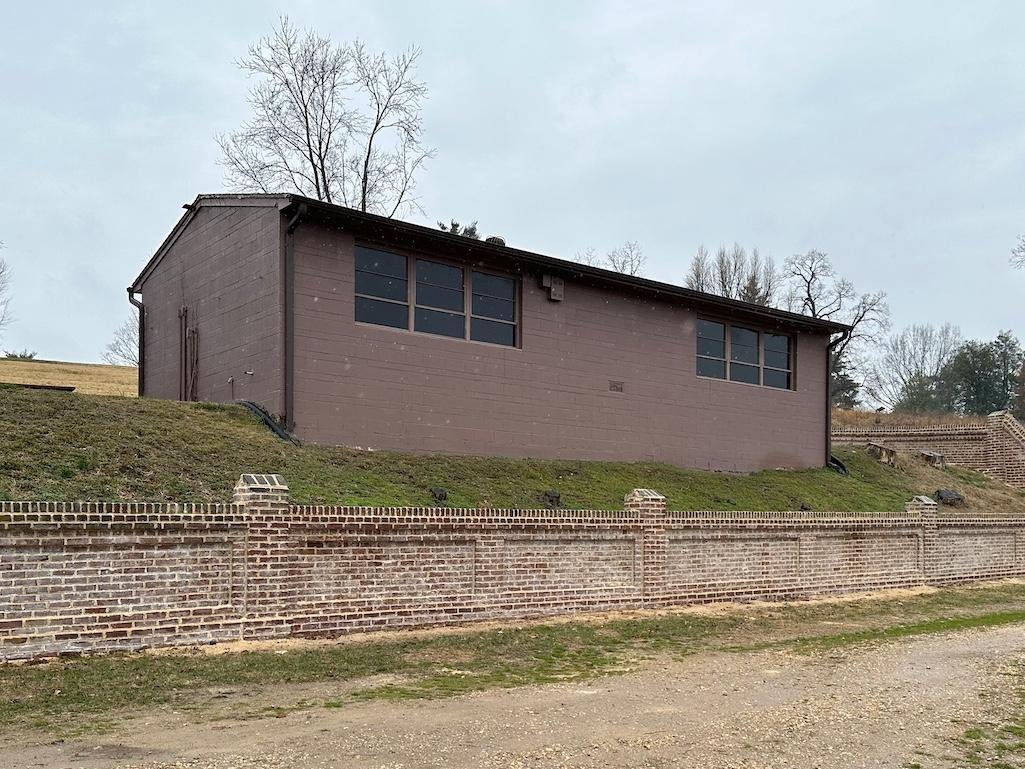
The concrete block garage intrudes on the Fredericksburg National Cemetery near the historic Stone Wall/NPS file

From National Parks Traveler…

Six non-historic structures are scheduled to be removed this spring from Fredericksburg and Spotsylvania National Military Park in Virginia. Their removal will allow the park to rehabilitate the historic battlefield landscapes where these structures currently stand. The project is scheduled to begin after April 1 and is anticipated to take about five months.


This project will include the demolition of six former residential properties and one cement block garage shop. All the structures are non-historic, abandoned, and within park boundaries. Many of the buildings are structurally compromised and include hazardous materials that will be mitigated.

All the properties to be demolished were built on former battlefields. These modern structures intrude upon culturally significant landscapes, which may contain archaeologically sensitive materials. The park will monitor the project to protect any cultural resources uncovered during the demolition process.

Once the non-historic structures are removed, the park will match the remaining landscapes with their natural surroundings. At four of the sites, the park will plant native oak and other woody species found in nearby forest communities. The rehabilitation of these historical landscapes will further the park’s mission to protect and preserve the ground upon which thousands of Americans fought and died during the Civil War.

Kris Heister named superintendent of Gettysburg NMP and Eisenhower NHS

NPS News Release Date: March 12, 2024

Contact: John Harlan Warren, 215-908-3159

Gettysburg, Pa. – National Park Service (NPS) Deputy Regional Director Cinda Waldbuesser today announced the selection of Kristina (Kris) Heister as the superintendent for Gettysburg National Military Park and Eisenhower National Historic Site. Heister has worked at Gettysburg and Eisenhower as deputy superintendent since 2020. She begins her new assignment on March 24, 2024.

“Kris brings a wealth of National Park Service experience with a deep commitment to community engagement, resource protection and employee development,” said Waldbuesser. “Her knowledge of and commitment to protecting both cultural and natural resources while enhancing visitor experience make her an excellent choice to lead these two important parks.”

“Over the last four years, I have been amazed by the dedication of my colleagues, our partners and our community,” said Heister. “Their collective commitment to preserving and protecting these hallowed grounds inspires me everyday. I look forward to continuing to work together and maintaining an open dialogue with our partners and our community to address both the challenges and opportunities the future holds for these exceptional places.”

As the current deputy superintendent, Heister is already a key leader on the park’s management team, providing oversight for all aspects of park operations. Twice she has performed detail assignments as acting superintendent of the two parks, first in 2019 and again in 2023-2024. Before coming to Gettysburg, she served as superintendent of Upper Delaware Scenic and Recreational River, as chief of Natural Resources for the NPS Northeast Region, and as Natural Resource Program Manager at Valley Forge National Historical Park. During her three decades-long career, she has worked at small, medium and large parks throughout the country, with almost half her career in historical parks.

A lifelong Pennsylvanian, Heister has deep connections to both the Civil War and to the Eisenhower family. Her family counts 18 members who fought in the Civil War for the Union, although none at the Battle of Gettysburg. In 1957, President Dwight Eisenhower sent a signed note to her great-grandmother for her 100th birthday which is a family treasure. The favorite Heister family meal is a recipe Julie and David Eisenhower served for Christmas one year, which was found in the local newspaper. She cares deeply for the hallowed grounds of Gettysburg and the home of a remarkable military general and president.

In her spare time, she enjoys the company of two beautiful coonhounds, Boone and Scarlett, and taking care of her 90-year-old mother.

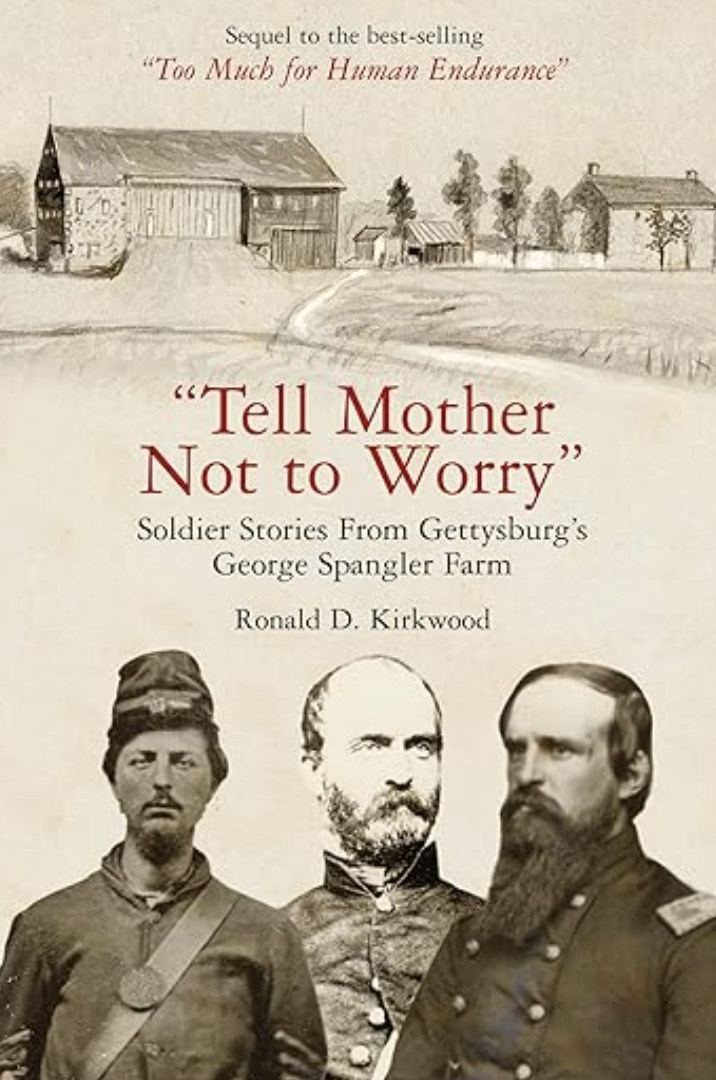
New Ron Kirkwood book to be Released in June - "Tell Mother Not to Worry"

“Tell Mother Not to Worry” - to be released June 15th - profiles scores of additional soldiers and offers new information on events and experiences at the farm, including the mortally wounded Confederate Brig. Gen. Lewis Armistead.

This sequel to “Too Much for Human Endurance” also includes another chapter on the often-overlooked First Division II Corps hospital at Granite Schoolhouse, a wounded list for that division, and a chapter on Col. Edward E. Cross, who died at Granite Schoolhouse in the middle of Spangler land.

Kirkwood concludes by continuing the story of George and Elizabeth Spangler and their four children after the war and ends with an uplifting chapter on their modern-day descendants and how they were found after the release of “Too Much for Human Endurance.”

With this sequel, Kirkwood brings further understanding of the lives of the soldiers and their families and completes the story of George and Elizabeth Spangler’s historic farm.

Kirkwood has been a presenter at our CWRT and led the group on a personal tour of the Spangler Farm. He retired after a 40-year career as an editor and writer in newspapers and magazines including USA TODAY, the Baltimore Sun, the Harrisburg (PA) Patriot-News, and the York (PA) Daily Record. Ronald edited national magazines for USA TODAY Sports and was NFL editor for USA TODAY Sports Weekly. He has won numerous state, regional, and national awards for his writing and editing and he managed the copy desk in Harrisburg when the newspaper won a Pulitzer Prize in 2012. Ronald has been a Gettysburg Foundation docent at The George Spangler Farm Field Hospital Site since it opened in 2013, and he explores the Gettysburg battlefield dozens of times a year.