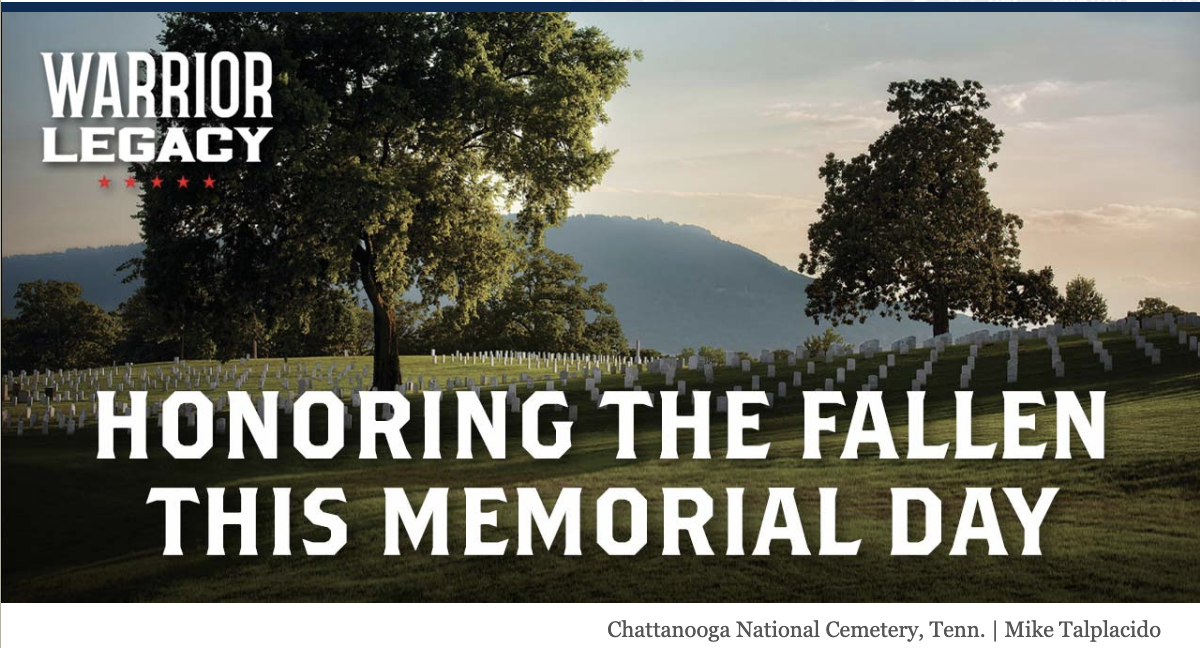
This Memorial Day, 250 years after they served our nascent nation, 44 fallen soldiers and supporters of the Continental Army have been laid to rest beneath a newly dedicated monument within the Lake George Battlefield State Park.
The remains of these early American patriots had lain undisturbed in Lake George, New York, until a construction project unearthed them in 2019. It is believed the burials were associated with the Continental Army's smallpox hospital, established in 1776 at nearby Fort George. What followed were years of painstaking work. Volunteers and state officials carefully recovered additional remains; scientists at the New York State Museum spent seven years analyzing and cataloging what they found. Forty-four individuals were recovered, each having answered the revolution's call, their names not preserved by history.
Housed in wooden caskets and escorted by a historic military motorcade, their remains traveled from Albany to Lake George Battlefield Park, where a nearly $700,000 memorial plaza — “Repose of the Fallen” — now stands as their permanent resting place. Forty caskets were interred upon arrival on May 20; the final four rested under round-the-clock watch until the formal dedication ceremony on May 22.
Memorial Day has always been about honoring those who gave everything in defense of this country. Initially called Decoration Day, its original purpose was simple and solemn: to place flowers on the graves of the fallen. On the first Decoration Day in 1868, future President James A. Garfield spoke at Arlington National Cemetery before 5,000 attendees.
At the American Battlefield Trust, we understand that our historic battlefields are hallowed ground in the most literal sense: places where the fallen were laid to rest. Organized efforts to return soldiers to their families or transfer them to more formal burial grounds meant that many of those graves were never meant to be permanent. Yet every few years, a forgotten burial resurfaces on a Revolutionary or Civil War battlefield, reminding us that these landscapes must be honored as the cemeteries they truly are.
It is with that understanding that we pause today. On this sacred day, we honor all those — from our founding conflicts to the present — who gave what President Abraham Lincoln called “the last full measure of devotion.” We also hold in our hearts the families who bore that loss alongside them.
To our supporters: thank you. By helping us save these battlefields, you are creating a permanent monument to the citizen soldiers who fought and bled on these grounds — and to those unnamed ones who never left them. Now, more than 150 years later, these early American patriots are finally receiving their own decoration — not flowers on a grave long forgotten, but a permanent place of honor.
With deepest gratitude,
David N. Duncan
President
American Battlefield Trust
——————————-
The Medal of Honor Valor Trail™ Comes to Chancellorsville to Honor a Hero
On Thursday, May 28, the American Battlefield Trust will install a Medal of Honor Valor Trail sign at our Dowdall's Tavern tract at Chancellorsville in Spotsylvania County, Va., honoring the extraordinary valor of Captain Hubert Anton Casimir Dilger.
A German immigrant and trained artillerist, Capt. Dilger took a leave of absence from the Grand Duke's Horse Artillery to cross the Atlantic and fight for the Union. He joined the 1st Ohio Light Artillery, and proved himself one of its finest officers.
The Battle of Chancellorsville, fought April 30–May 6, 1863, stands as General Robert E. Lee's greatest military triumph. On May 2, as Confederate forces swept forward in a devastating flank attack, Capt. Dilger refused to abandon his position. He manned his guns until the enemy was nearly upon him — then, with a single cannon hauled by hand along the road, he formed the rear guard alone, holding the Confederate advance at bay through ferocious speed of fire. He was the last Union soldier to leave the field. For that stand, he was awarded the Medal of Honor in 1893. Dilger also fought with distinction at Second Manassas, Gettysburg, and throughout the Atlanta Campaign.
The Medal of Honor Valor Trail, developed in coordination with the Congressional Medal of Honor Society, is a physical and digital manifestation of the places most deeply connected with Medal of Honor recipients like Capt. Dilger, from the Civil War through the 21st century. This Memorial Day, you may also want to seek out information about the stories of the 686 Medal of Honor Recipients who fell in service.
Visit the Medal of Honor Valor Trail™ Website