Free "Recruit Skirmish" & CW Learning Opportunity on Sunday, August 9, 2026

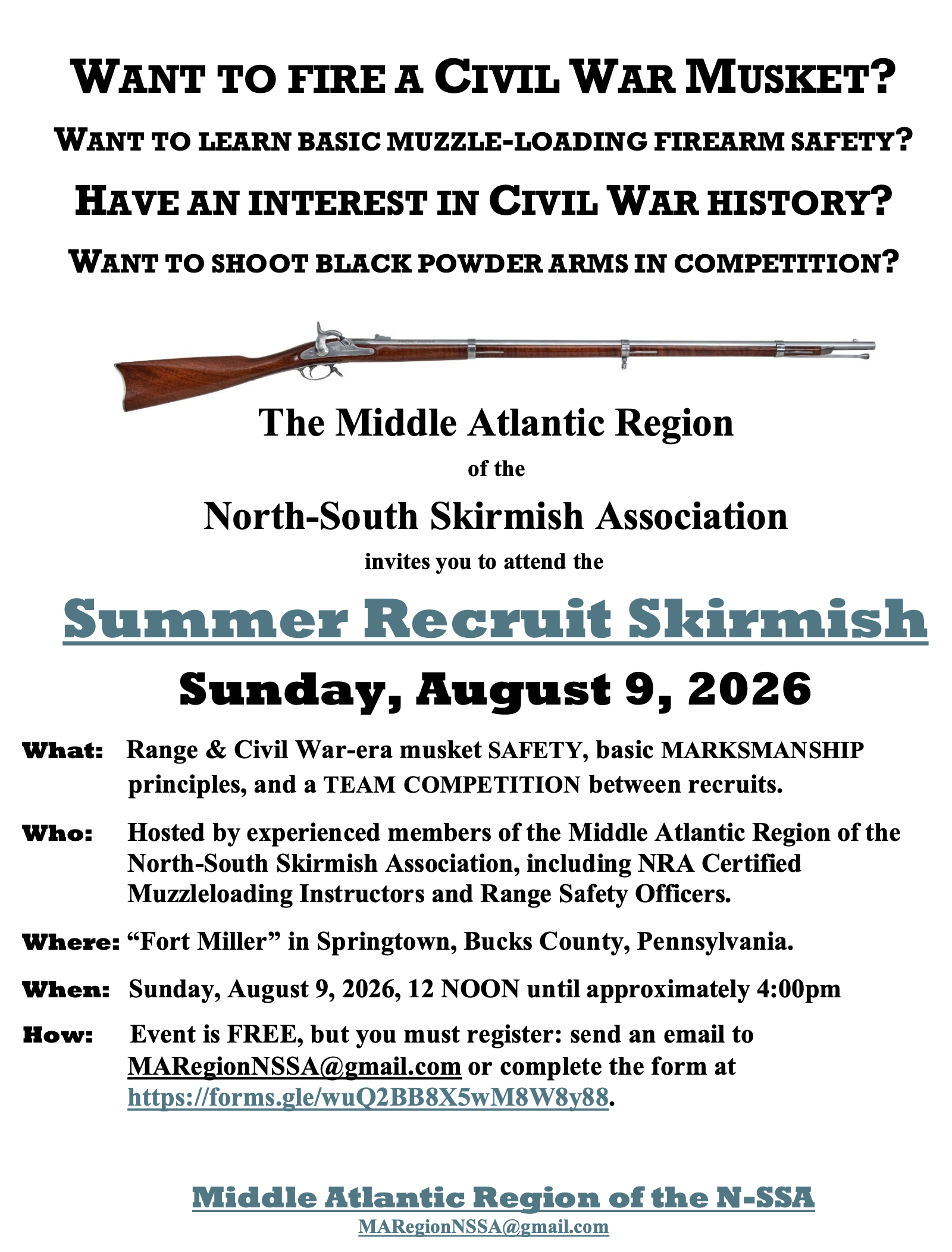
The Middle Atlantic Region of the North-South Skirmish Association (N-SSA) is hosting a free "Recruit Skirmish" on Sunday, August 9, 2026, from noon till about 4PM, where we will be teaching attendees how to safely load and fire Civil War-era muzzleloading rifles. N-SSA members will provide all the necessary firearms, ammunition and accoutrement, and instruction will be 1:1 with experienced members and NRA Certified Muzzleloading Instructors. 


The event will take place at the Springtown Rod & Gun Club in Springtown (Hellertown), Upper Bucks County, Pa. There is a pavilion in case of inclement weather (though the event will be held rain or shine) as well as a clubhouse with indoor facilities. Light snacks will be provided.


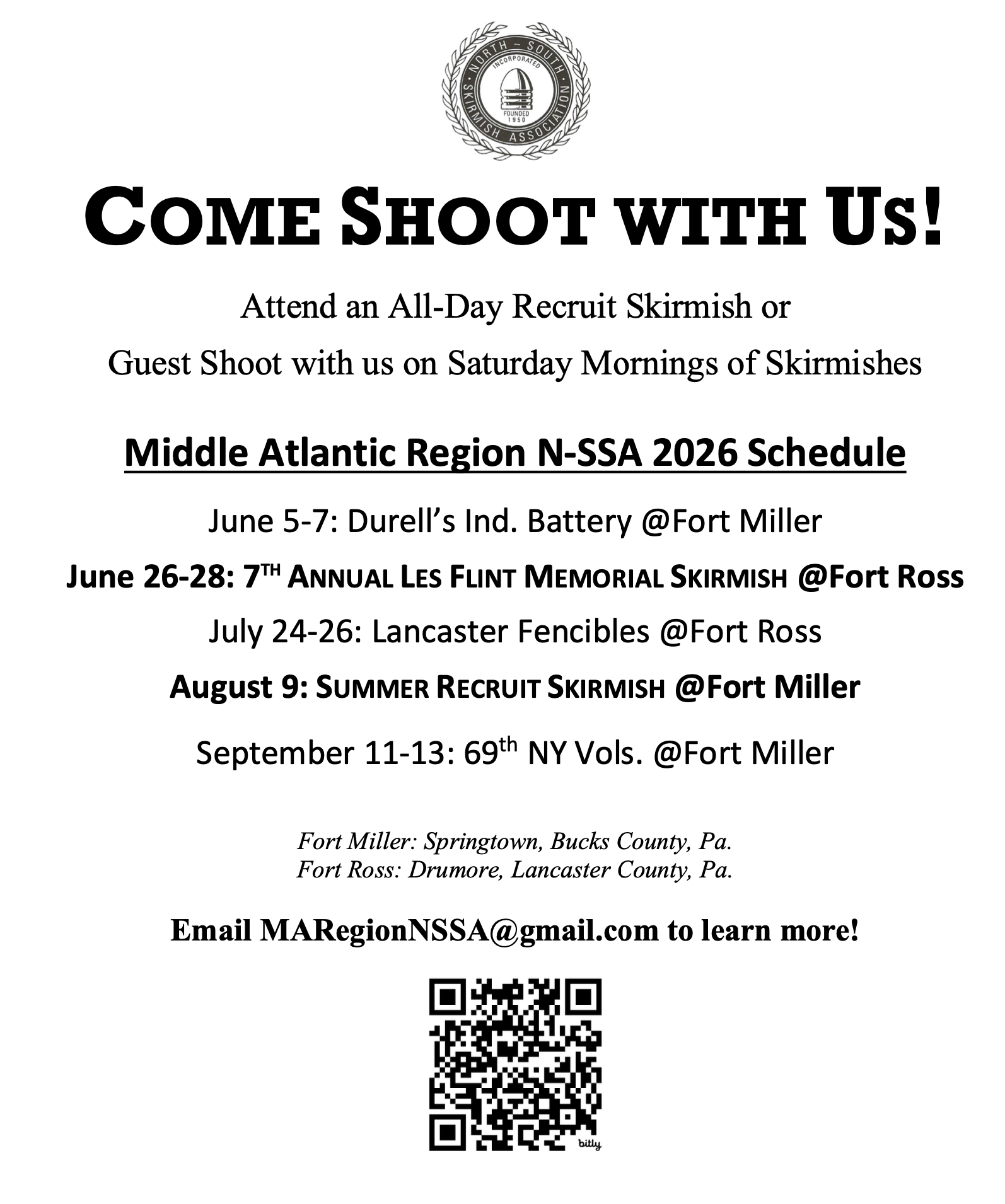
Below is a flyer where can find more information about the the Recruit Skirmish on our Facebook event page at https://www.facebook.com/events/999614049413972, or sign up directly at https://forms.gle/wuQ2BB8X5wM8W8y88. Registration is required for those who wish to participate--so we have enough firearms and ammunition for all, but it is also open to any spectators (as are all of our regular competitions, listed on the second flyer below).

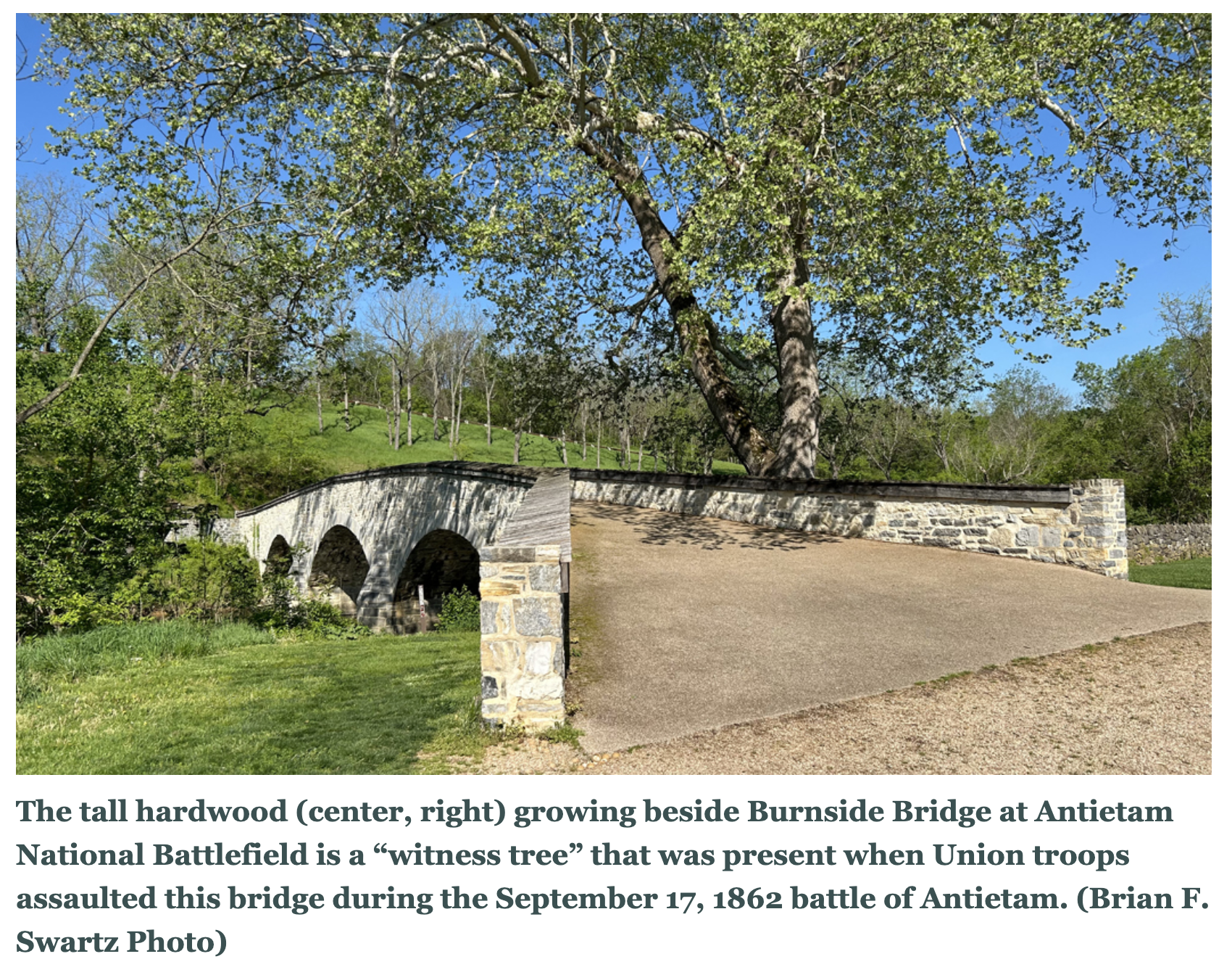
Burnside Sycamore is a Witness Tree at Antietam

From Maine at War

April 8, 2026 Brian F. Swartz

If only a tree could talk …

In late afternoon on Wednesday, September 17, 1862 Union infantry from the IX Corps commanded by Maj. Gen. Ambrose Burnside attacked the Confederate-defended Lower Bridge spanning Antietam Creek in Sharpsburg, Maryland. Like similarly constructed bridges located upstream in Washington County, the stone-arched bridge was nothing unusual.

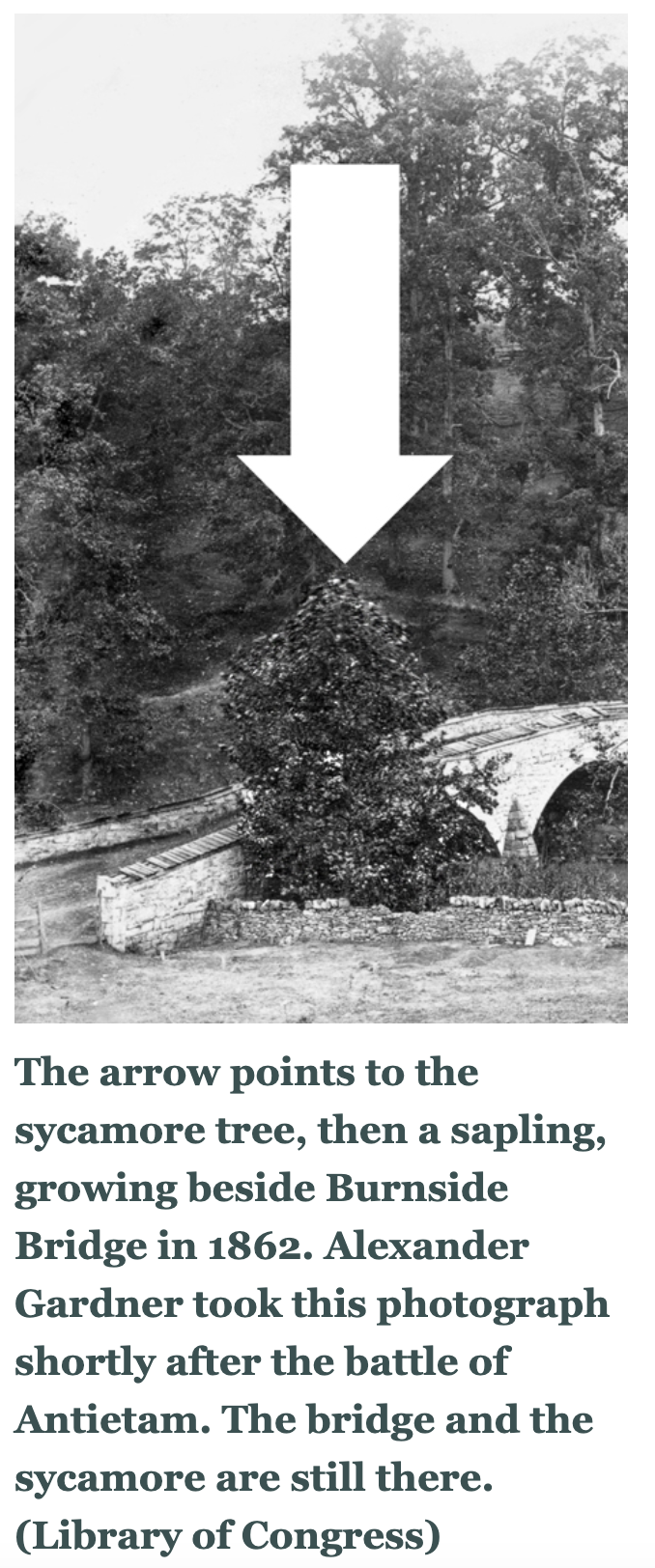
Trees grew along the creek banks adjacent to the bridge. Next to its eastern entrance, literally only a few feet to the north, grew a sycamore, on September 17 a leafed-out sapling perhaps 15 feet tall.

That afternoon Confederate infantry spread along the high ground above the creek’s west bank fired incessantly at the Yankee boys trying to cross the Lower Bridge. Always able to order a charge that he would never lead, Burnside sacrificed a lot of good men before Union troops crossed Antietam Creek via “Burnside Bridge,” as the span became known.

So hot lead flew around the sycamore, which if a tree had ears would have heard the cheering, the gunfire, the screaming, and the dying. The Johnnies withdrew, the Yankees occupied the high ground, and the fighting shifted toward Sharpsburg.

A day or two or three after the battle, Alexander Gardner photographed Burnside Bridge from a spot slightly to the north. The photograph captured the surrounding terrain and trees, including a sycamore growing beside the bridge’s eastern entrance.

That tree became the Burnside Sycamore. Years passed, the land around Burnside Bridge became federal property, and people explored the bridge and the battlefield.

The sycamore grew tall and spread a leafy canopy over the bridge’s eastern entrance. The Antietam periodically flooded, and water swirled around the tree before subsiding. Winters came and went, so did the hot summers, and the years passed.

The Burnside Sycamore stood tall on September 17, 1962, the 100th anniversary of the battle of Antietam. Thunderstorms, high winds, and a hurricane really roughed up Antietam National Battlefield in late summer 2003. The National Park Service reported losing 46 Antietam trees, with some more than a century old. The Burnside Sycamore lost three big limbs that fell and damaged the Burnside Bridge. It was promptly repaired.

The Burnside Sycamore stood tall on September 17, 2012, the battle’s 150th anniversary, which like the centennial observance drew a large crowd to Antietam National Battlefield. Many people who explored Burnside Bridge that day probably did not know the sycamore’s history or notice the small sign identifying the tree.

And the Burnside Sycamore stands today, almost 164 years since the bloodiest one-day battle in American history swept over the hills of Sharpsburg. A “witness tree” to that slaughter, the sycamore has seen much over all those years.

If only a tree could talk …

Be sure to subscribe to my YouTube channel, Maine at War: Battlefields, Monuments & More

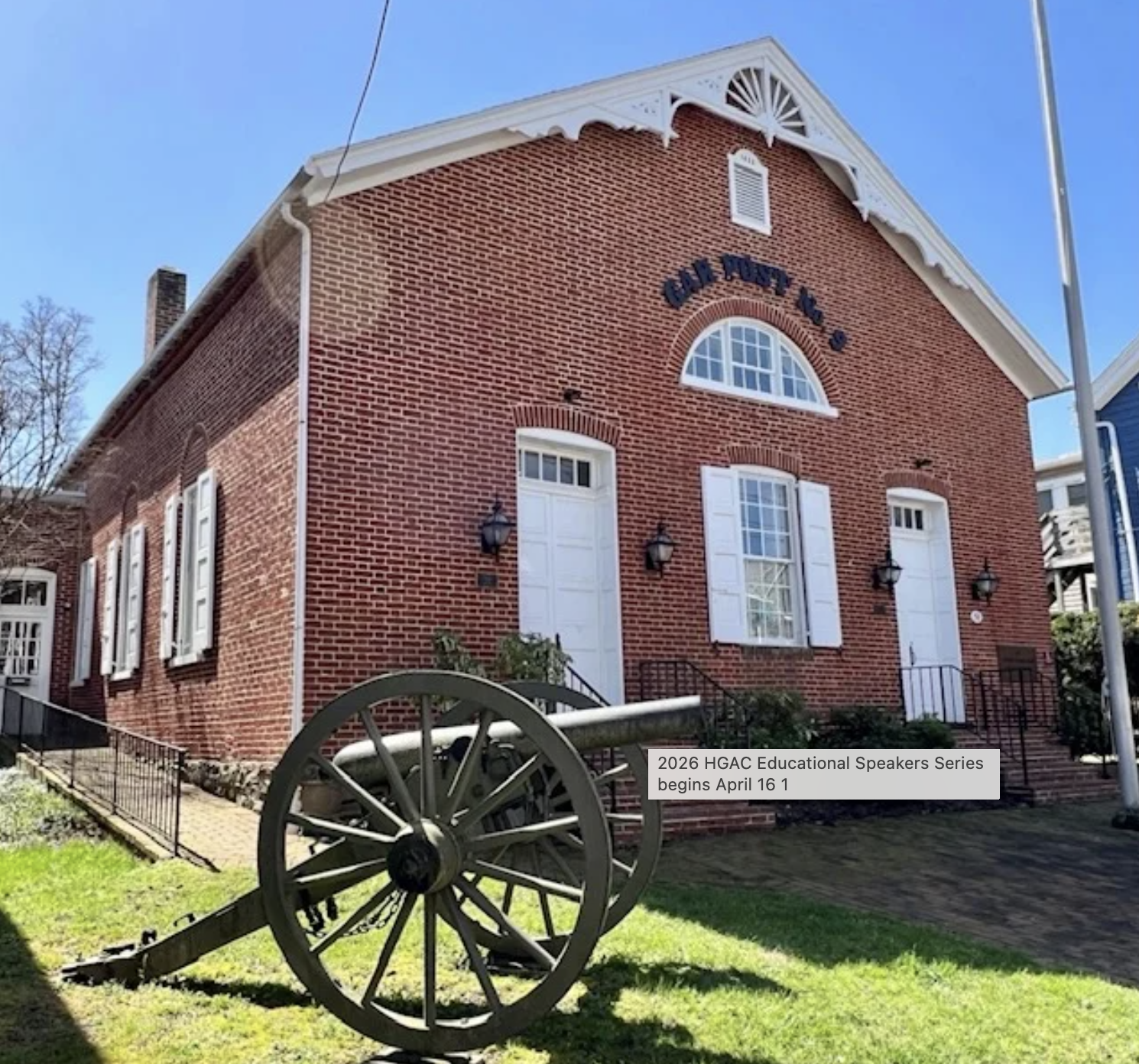
2026 Historical Gettysburg Educational Speakers Series begins April 16

April 9, 2026 by Community Contributors

Historic Gettysburg Adams County (HGAC) will host its Educational Speaker Series at the historic G.A.R. Hall at 53 East Middle Street in Gettysburg, beginning on Thursday, April 16. Doors open at 6:30 p.m. and presentations start at 7 p.m. The events are free to the public, no reservations are needed, and the hall is handicapped accessible.

Programs run on the third Thursday of the month.

The first three speakers will be:

–April 16 Thomas Nank, a research assistant with the American Battlefield Trust and a retired U.S. Navy Master Chief Petty Officer will present “From Canada to France: The Story of a Michigan Sailor in the Civil War’s Greatest Sea Battle.”  Come prepared to gain a greater insight into these dramatic and important events involving naval military operations during the Civil War.

–May 21 Ted Hirt, Gettysburg Town Guide, will speak on a number of topics, including the civilian experience at Gettysburg, what happened during the battle at the southern end of the town and the “eight miles from slavery” experience, as well as the seldom seen aspects of Gettysburg.

–June 18 Author Ron Kirkwood will be returning to the G.A.R. hall by special request. Ron has given presentations for HGAC regarding his historical work at the Spangler Farm, as documented in his book Too Much for Human Endurance. In continuing that Spangler saga, Ron will provide details about the rescuers of the wounded and dying, and will speak on “The Women who came to the rescue at the Spangler Farm.”

Stay tuned for HGAC’s fall lineup of speakers. Hope to see you at the hall!

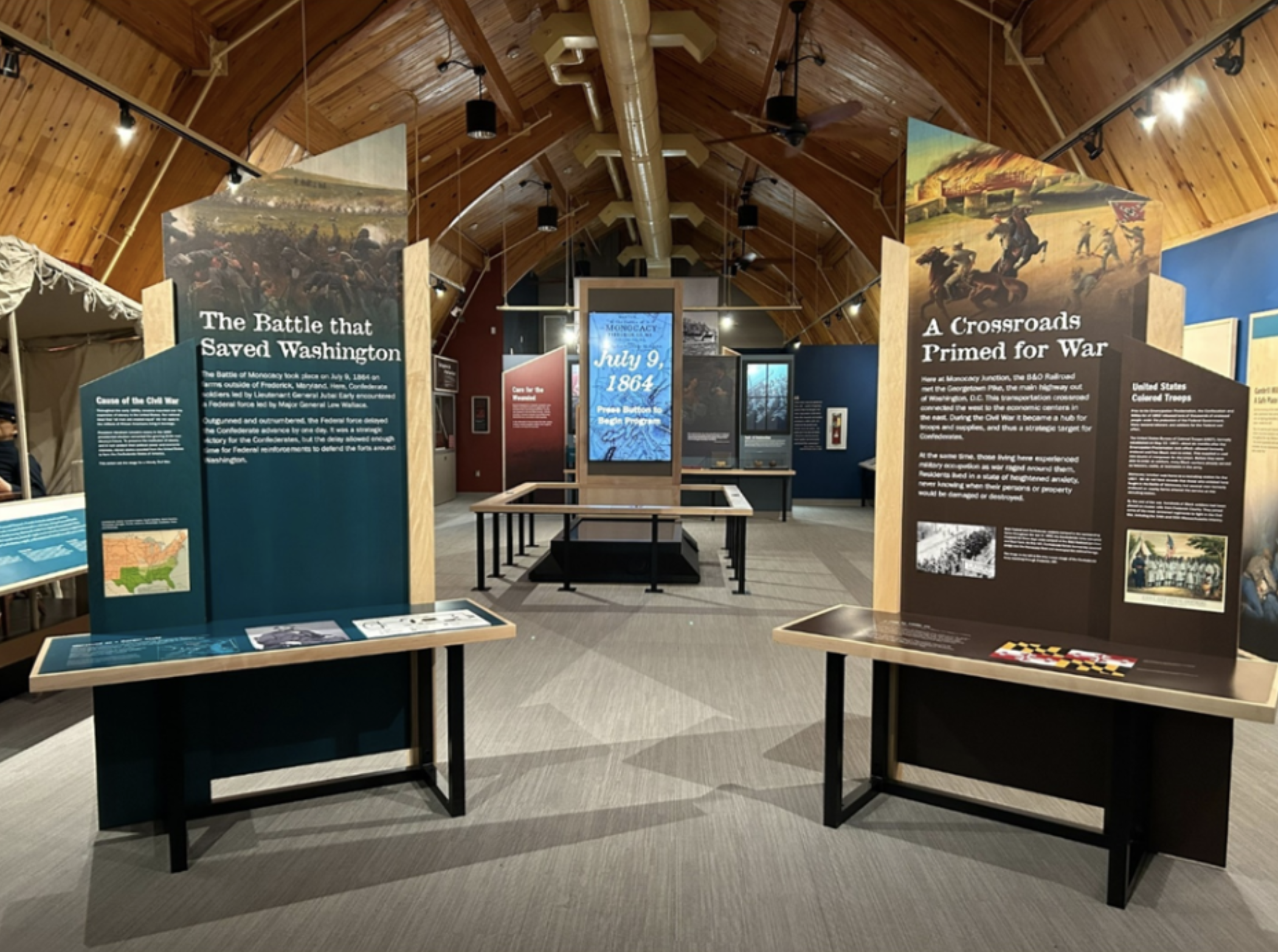
New Visitor Center Exhibits Enhance The Interpretation At Monocacy Battlefield

From National Parks Traveler April 3, 2026

New exhibits at Monocacy National Battlefield in Maryland enhance the visitor's understanding of what transpired at the Civil War-era battlefield.

The interactive exhibits, stories, and artifacts were unveiled at the battlefield's redesigned museum that was dedicated Friday. Through the weekend visitors can discover newly identified artifacts and take part in activities and programs.

“This redesigned museum gives visitors a vivid, human-centered understanding of the Battle of Monocacy and why it still matters today,” said Superintendent Derek Carter. “Here, visitors will encounter the courage, sacrifice, and life-altering decisions that unfolded on this ground in 1864. As our nation approaches the 250th anniversary of American independence, Monocacy stands as a powerful reminder that the American story has always been shaped by ordinary people facing extraordinary moments.”

The exhibits explore the events and personal stories surrounding the Battle of Monocacy, fought on July 9, 1864. A central battle map traces key moments of the fighting, while additional displays examine the experiences of soldiers and civilians, wartime medical care, and the battle’s broader impact on the Civil War. The visitor center is located at 5201 Urbana Pike, Frederick, MD 21704.

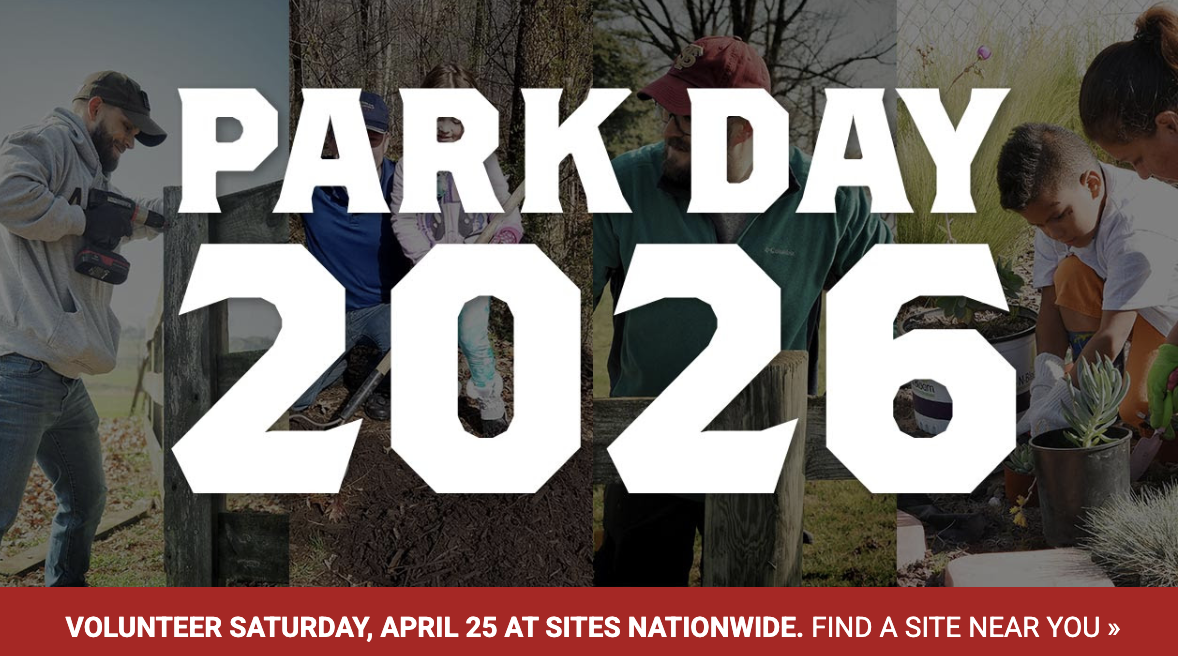
We Need YOU to Volunteer for Park Day on Sat April 25th!

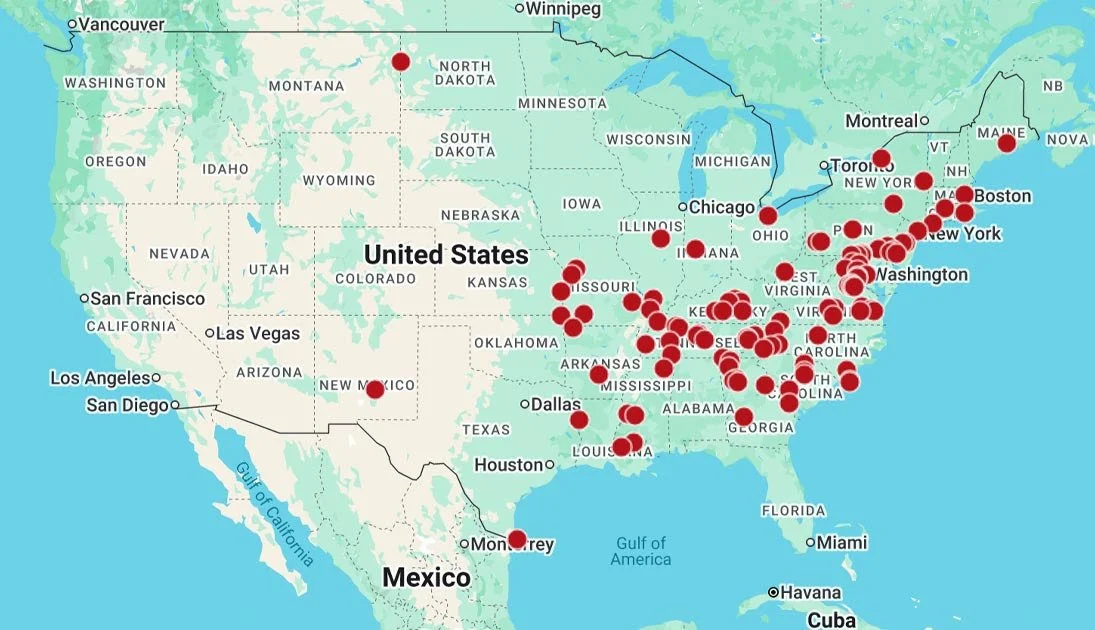
This April, we need you. Thousands of volunteers will gather at historic sites across the nation for the American Battlefield Trust’s 30th annual Park Day – and there is time for you to join them.

From battlefields to historic houses to museums, sites in 27 states and the District of Columbia are preparing for a day of hands-on stewardship. This year carries special meaning: as America approaches its 250th birthday, Park Day offers each of us a direct role in preserving the places we love.

CLICK HERE to search our list of participating Park Day 2026 volunteer sites.

Park Day 2026 falls during Earth Week and National Volunteer Week, alongside the America Gives initiative, making this one of the most impactful single days for volunteerism. More than 110 sites across the country are participating. Whether you are part of a scout troop, a veteran's organization, a local historical society, or are simply a citizen who cares, your participation will help ensure these sites remain pristine and accessible for all.

For a complete list of participating Park Day sites and more information, visit our Park Day webpage. Volunteers can share their Park Day participation on social media using #ParkDay2026.

If you have any questions, please don’t hesitate to reach out to us at  cgrubbs@battlefields.org.

Learn More & Find a Park Day Volunteer Site Near You

Fox 43 story on Trade school students aid Gettysburg battlefield preservation following last year's damage

FOX 43 - Author: Ian Thompson

Published: April 3, 2026

Click Here to see original story

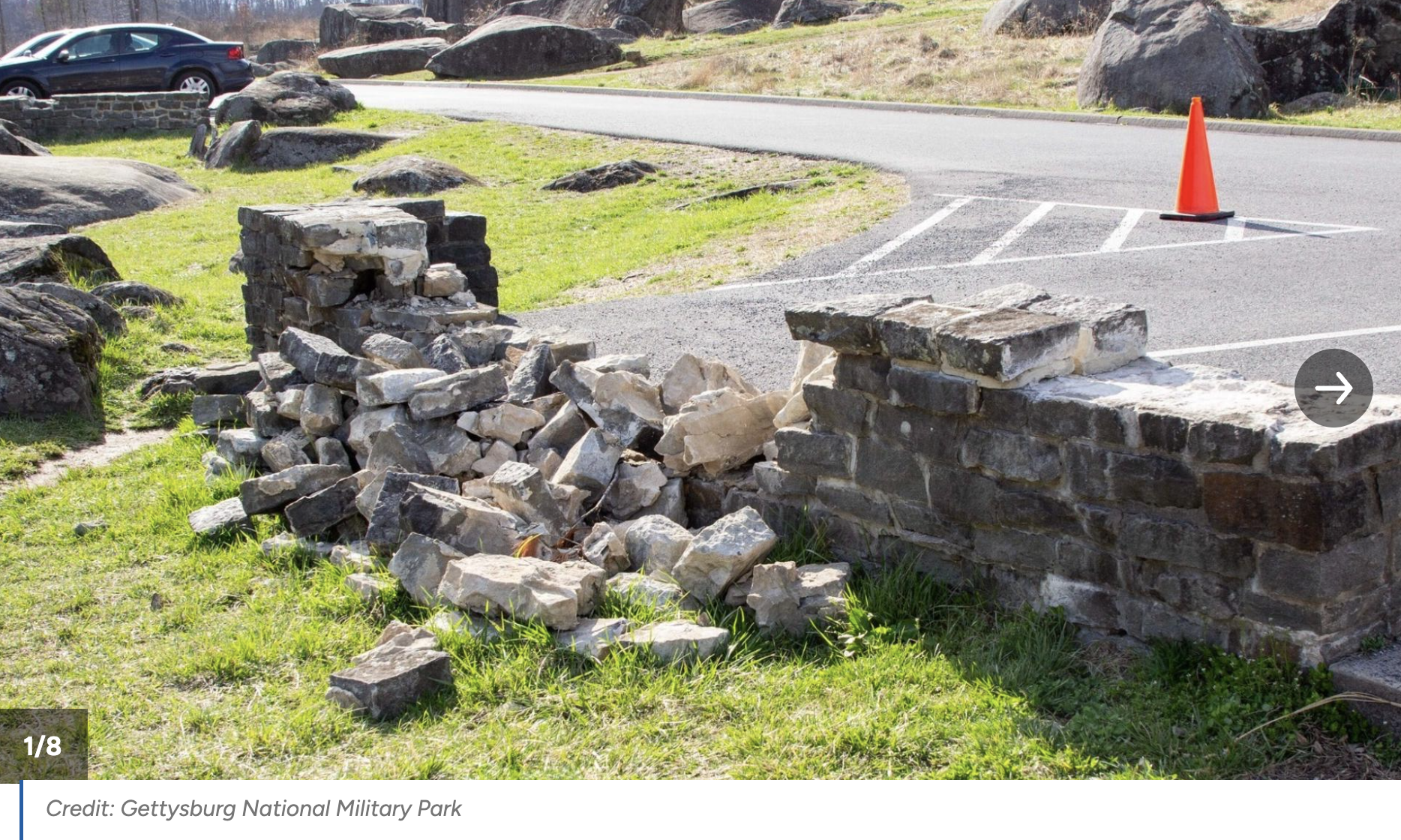
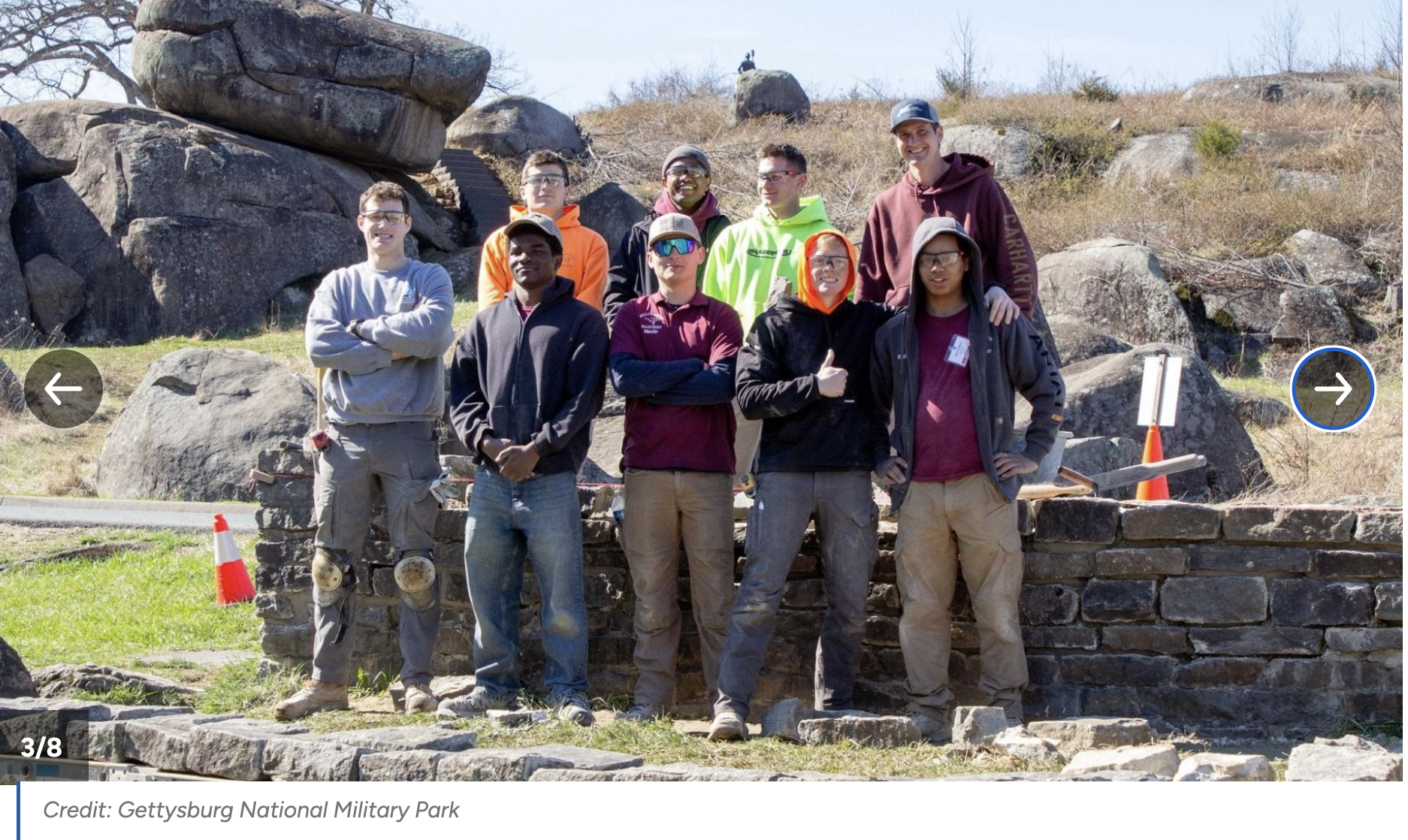
GETTYSBURG, Pa. — Gettysburg National Military Park recently welcomed trade school students as part of preservation efforts near Devil's Den. 

According to park officials, students from the Williamson College of the Trades assisted with stonework rehabilitation, including correcting existing damage, stabilizing the wall — as well as setting capstones and repointing mortar. 

"These improvements contribute to the long-term stability and preservation of this nationally significant cultural landscape," officials said. "Not only did the Williamson College students advance critical maintenance needs here at the park, but they also gained valuable, real-world experience in historic preservation techniques."

Free Zoom Program  Sunday, April 12, 2026 on Civil War Travels

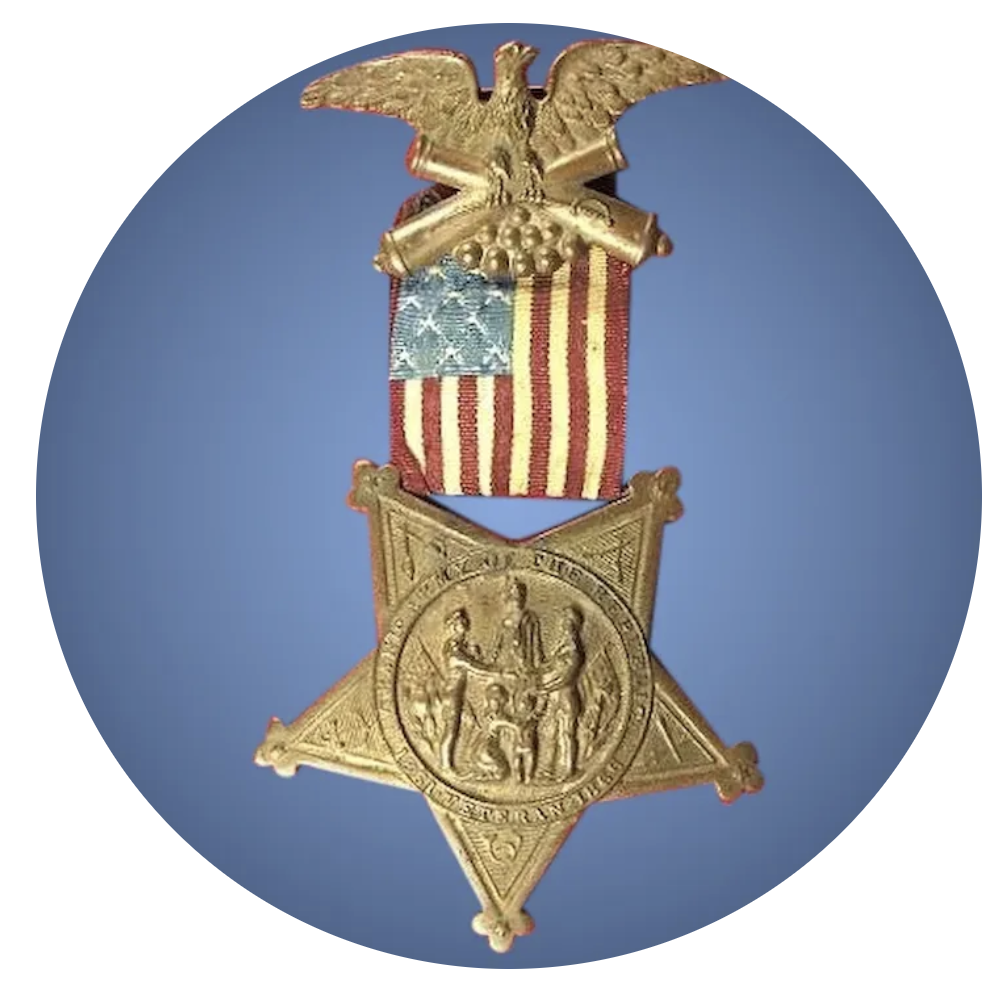
 THE GRAND ARMY OF THE REPUBLIC (G.A.R.) CIVIL WAR MUSEUM & ARCHIVE

 Presents a Free Zoom Program

 Sunday, April 12, 2026 at 1:00 p.m.

“Civil War Travels, Trails & Travails: Confessions of a Civil War Geek”

By Bill Sheffer

 Explore Civil War sites with Bill as he shares humorous anecdotes, quirky incidents, and memorable encounters.  He has spent 60+years exploring and meeting other Civil War enthusiasts. His life-long study of the American Civil War began on a family trip to Gettysburg in 1963… and young Billy was hooked! 

 Bill is a retired bank Loan Officer who has brought his professional expertise and analytical reasoning to all is work at the Grand Army of the Republic Civil War Museum. He is not only a member of the Museum’s Board of Director but also a tour guide and Assistant Curator. Bill is carefully handling the many primary source documents in the Museum’s Archive. He is organizing records - arranging and describing them for inclusion into the Museum’s catalog. He also works with our researchers to answer the many reference questions the Museum receives.

 To reserve a virtual seat for this outstanding presentation, reply by e-mail to garmuslib1866@gmail.com

 You will be sent a link with a password that will enable you to access the program within 24 hours of the start of the presentation. 

 Deadline for signing-up is Noon, Saturday,

April 11, 2026

 As a lover of history, you know how critical it is to keep history alive, especially today.  We very much appreciate your continued support for the GAR Civil War Museum & Archive.  Become a Member.

Application attached.


GRAND ARMY OF THE REPUBLIC MUSEUM & ARCHIVE
8110 Frankford Ave. (Holmesburg - N.E. Philadelphia), 19136
 www.garmuslib.org


Because of supporters like you, the fight to protect Manassas and The Wilderness Battlefields didn’t end when developers pushed their plans forward to build data centers. Instead, the American Battlefield Trust took the battle to the courts.

Now those legal fights are entering a critical phase.

Developers behind massive projects near these historic landscapes are doing everything they can to wear us down — legally, financially, and strategically. They’re filing counterattacks, proposing legislation, and trying to delay the process.

But the growing public opposition — and the strength of our legal arguments — are putting real pressure on them.

We’re making progress. But the fight is far from over.
 

That’s why your support is so important right now. Two generous members have pledged to match every gift toward this advocacy work, up to $130,000.

That means your donation today will make twice the impact in helping us to continue defending Manassas and The Wilderness in court.


And if you haven’t already, please add your name to our new petition urging Virginia’s governor to prioritize protecting these irreplaceable historic landscapes.


Here’s how you can stand with us today:


  SIGN THE *NEW* PETITION urging the Governor of Virginia to protect our historic battlefields.
 DONATE TODAY to fuel our legal fight and advocacy efforts.
Thank you again for protecting the places where history happened.
With determination and gratitude,
David N. Duncan, President
American Battlefield Trust

P.S. Legal fights like these can take time, and our opponents are counting on that. Please help us keep the pressure on while your donation will be matched dollar-for-dollar.

SIGN THE PETITION

DONATE NOW

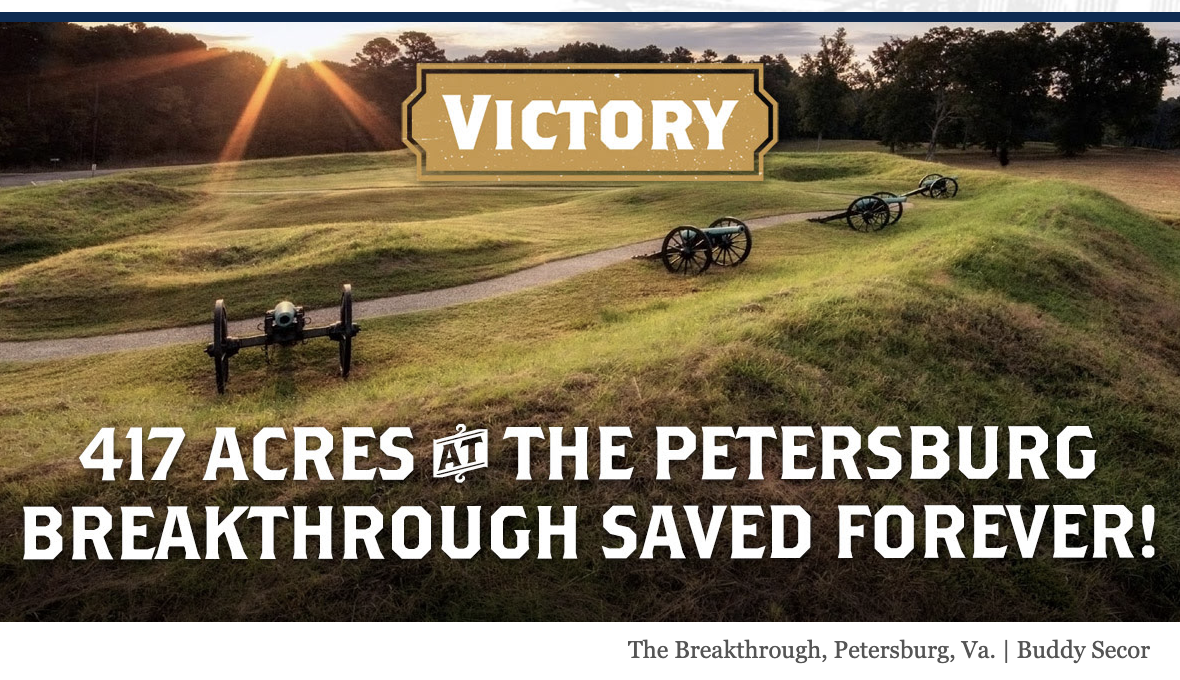
Trust Protects More than 400 Crucial Acres at the Petersburg Breakthrough!

Last year, I asked for your help as we embarked on one of the largest preservation projects in the American Battlefield Trust’s history. More than 400 acres at Pamplin Historical Park and the National Museum of the Civil War Soldier have been enjoyed and appreciated by heritage tourists and countless school students for decades... but were not fully protected for future generations. Until now.

Our window of opportunity was brief, with just a few months to raise private funds to complete the massive transaction. But once again, the Trust’s extraordinary members rose to the occasion. Thanks to you, 417 acres at the Petersburg Breakthrough are now saved forever! This creates an 857-acre swath of protected land associated with one of the Civil War’s most significant battlefields.

This victory was made possible through the largest-ever matching grant from the federal American Battlefield Protection Program (ABPP), dedicating more than $10 million to protect this critical land. America’s most successful heritage land conservation program, the ABPP has helped the Trust save more than 36,000 acres of land in 20 states.

But that’s not the only milestone this victory represents.

Last summer, we celebrated our 60,000th acre saved. Now, less than a year later, this victory at the Breakthrough brings our total tally of hallowed ground to more than 61,000 acres and pushes the amount saved across the Commonwealth of Virginia past 31,000. Such success in the Old Dominion is the result of more than its concentration of battlefields; the support of state government agencies – like the Virginia Department of Historic Resources – and officials are also necessary.   

This victory is a prime example of what we, with our state and federal partners, can accomplish together. But make no mistake: Trust members like you were the lynchpin. Without you, and your long-term commitment to preserving our nation’s irreplaceable historic landscapes, we would not be able to save a single acre. Time and again, you carry us to victory, and we could not be more thankful.

The Breakthrough: Past & Present

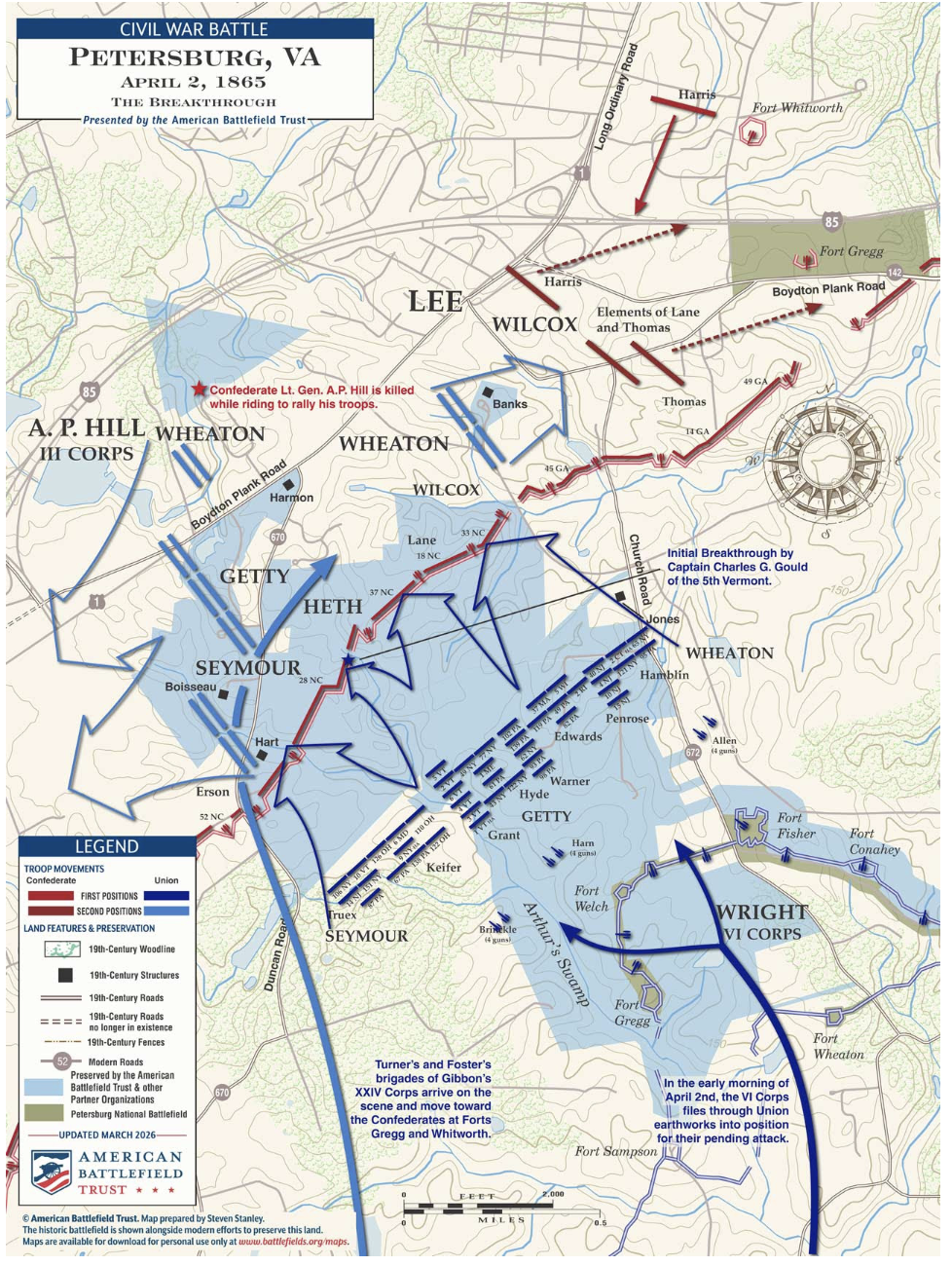
Following a nine-month siege, the Union Army of the Potomac launched a massive assault on the Southern defenses southwest of Petersburg, Virginia, on April 2, 1865, an attack remembered by history as “The Breakthrough” for piercing those lines clearing the road to the Confederate capital at Richmond. Within weeks, the Civil War was over.

Fighting at The Breakthrough was intense – sometimes hand-to-hand – and climactic, resulting in perhaps the greatest concentration of Medals of Honor ever awarded. Researchers at the Congressional Medal of Honor Society believe that 31 Medal of Honor citation actions occurred across the now-combined site.

Medal of Honor recipient Capt. Charles G. Gould leads the 5th Vermont Veteran Volunteers into the earthworks defended by the 37th North Carolina at Petersburg on April 2, 1865 | Don Troiani

Through a series of transactions over the course of 30 years, the Trust has acquired 439 acres associated with the Union advance and has been gradually restoring the land to its wartime appearance by removing modern buildings and other intrusions. Meanwhile, the contiguous Pamplin campus occupies a significant section of the Confederate line and includes two miles of pristine earthworks.

The Pamplin campus was assembled in phases through purchases made by businessman and philanthropist Dr. Robert B. Pamplin, Jr., beginning in the early 1990s when the Association for the Preservation of Civil War Sites, a predecessor of the American Battlefield Trust, alerted him to the development threat to land once owned by his family. Pamplin went on to acquire adjacent parcels, including the Banks House, Ulysses S. Grant’s headquarters on April 2–3, 1865.

The 25,000-square-foot National Museum of the Civil War Soldier opened on Memorial Day 1999, and the park was named a National Historic Landmark in 2006. The museum will continue to welcome history seekers, managed by the newly formed Petersburg Battlefields Foundation, its perpetual operation endowed by the proceeds of the land’s sale to the Trust.

Without you, this hallowed ground would be at risk of being lost forever. Now, generations to come will know, understand, appreciate, and be inspired by the Petersburg Breakthrough.

Our victories are your victories.  Thank you for your continued support, and I look forward to celebrating even more victories with you soon.

‘Til the battle is won,

David N. Duncan, President

American Battlefield Trust