Future uncertain for Gettysburg beaver dam
Conservationists are expressing concern after hearing the dam could be removed and say it could destroy a wetland habitat created by beavers over several years.
Author: Natalie Koranda
Published: 7:42 PM EDT March 9, 2026
GETTYSBURG, Pa. — A beaver-built pond inside Gettysburg National Military Park is drawing attention and concern from conservationists who say the wetland has become an important habitat for wildlife.
This comes after a park biologist mentioned the possibility of the pond being "drawn down" at the end of a presentation with the South Mountain Audubon Society in February.
"He went into good detail about what they do to make sure it doesn't flood the monuments and all the things that beavers do for the area," said Evan Vaeth, vice president of the South Mountain Audubon Society. "But at the end of it, he mentioned that, in a very short sentence, that orders came up from the Department of the Interior, which oversees the National Park Service, that the Beaver Pond had to get drawn down."
Vaeth said it's all that was said, and the group is still searching for answers as to why this idea is being explored.
“Most people don’t even know it’s there. It’s not affecting flooding or roads or monuments, and most people don’t even see it," said William Cantor, a professor at Penn State York and member of the Audubon Society.
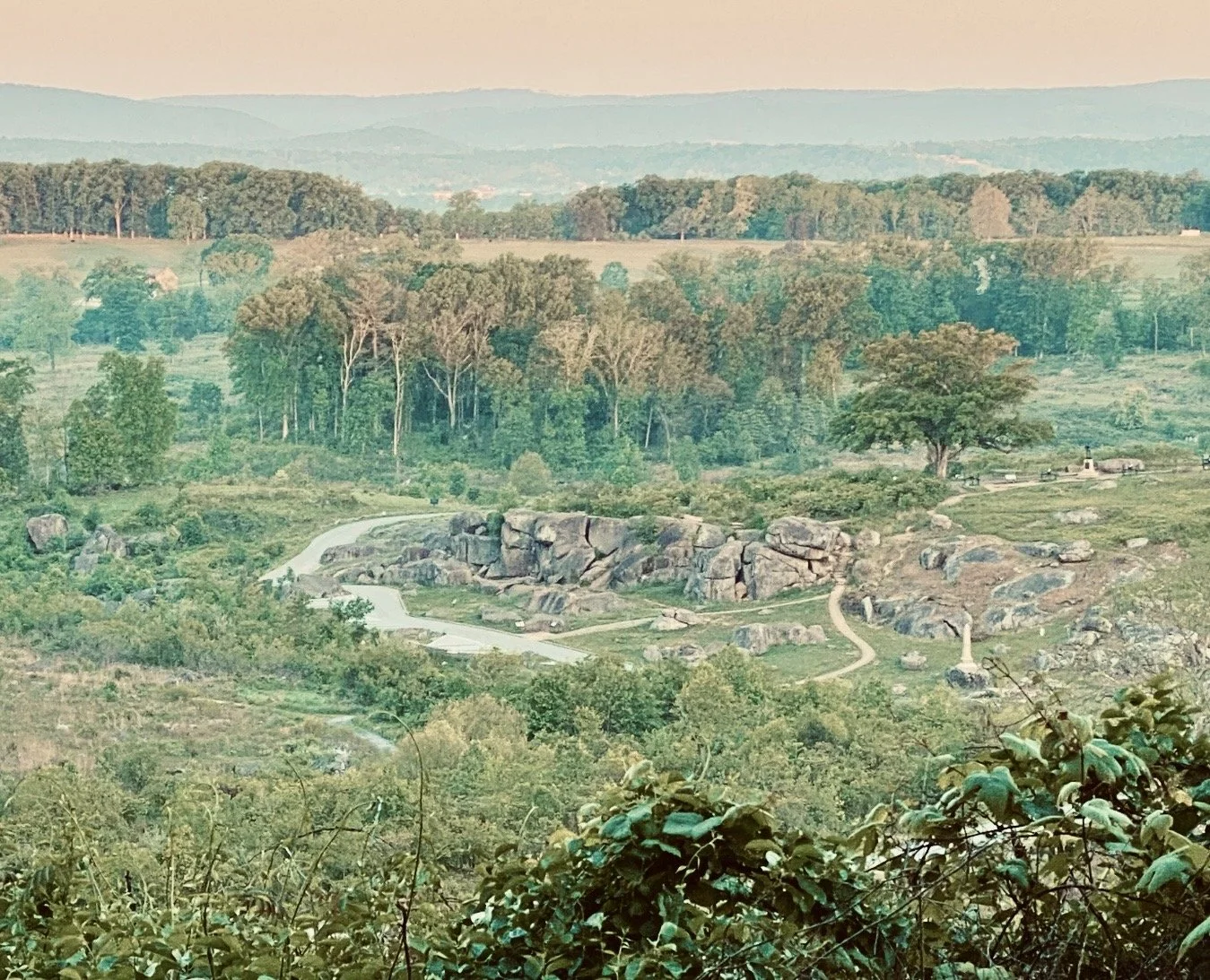
The pond formed after beavers built a dam along a small stream named Plum Run in the park, gradually expanding it into a wetland ecosystem over several years. It's located off of Crawford Ave, in an area of the battlefield known as the "Valley of Death."
Experts say beavers naturally create ponds by building dams across waterways, changing the surrounding landscape and creating new habitats for plants and animals.
Environmental groups say the pond is now supporting a variety of species, including birds that rely on wetlands to survive. Some of those animals are considered rare in Pennsylvania, like the least bittern, a small heron that depends on dense marshes and wetlands to nest and raise young and is listed as a state endangered species.
"It's also an important stopover habitat for birds heading north and south in the spring and fall," Vaeth explains.
Conservationists worry that if the pond disappears, the wildlife that depends on it could lose an important breeding ground.
"They're going to show up in the spring, and it's going to be gone, and if they show up just a little late, they might not have time to find another place and then that's just the end of the season," Vaeth said.
The debate highlights a broader challenge at Gettysburg: balancing the preservation of the battlefield’s historic landscape with protecting the natural ecosystems that exist there today.
Advocates say the wetland has become a thriving ecosystem created entirely by the beavers’ work. They argue wetlands like this are increasingly valuable as natural habitats disappear across the region.
Vaeth and Cantor also praised National Park Service for their work with the ecosystem.
"Park Service has done amazing job just making sure that the beavers are protected and they don’t encroach into other areas such as flooding roads and maybe affecting monuments,” said Cantor.
For now, the future of the beaver pond remains uncertain, but conservationists say the conversation is drawing attention to the ecological role beavers can play in restoring wetlands and supporting biodiversity.
"Leave the beavers," Vaeth said. "Where else in 150-500 miles can you go and drive your car down a road without even getting out [and] see a beaver pond, a beaver lodge, a beaver dam and an entire ecosystem that would not be there otherwise?"
Vaeth says the best time to possibly see a beaver in Plum Run is at dusk or dawn.
FOX43 reached out to the Department of Interior and National Park Service and is waiting on a statement.